

When it comes to illuminating pedestrian areas, the choice of street lights is crucial. As a seasoned supplier of LED lamp street lights, I've had the privilege of witnessing the transformative power of LED technology in various urban and suburban settings. In this blog, I'll delve into the suitability of LED lamp street lights for pedestrian areas, exploring their advantages, potential drawbacks, and key considerations.
Advantages of LED Lamp Street Lights in Pedestrian Areas
Energy Efficiency
LEDs are renowned for their energy - saving capabilities. Compared to traditional street lighting options such as high - pressure sodium lamps, LEDs consume significantly less energy. For instance, a 18w Led Street Light can provide the same level of illumination as a much higher - wattage traditional lamp. This energy efficiency not only reduces the electricity bills for municipalities or property owners but also contributes to a more sustainable environment. With the increasing focus on green initiatives, LED street lights are an ideal choice for pedestrian areas, helping to cut down on carbon emissions.
Long Lifespan
LED lamp street lights have an impressively long lifespan. They can last up to 50,000 hours or more, which is far longer than traditional lighting sources. In pedestrian areas, where maintenance can be a challenge due to foot traffic and the need to minimize disruptions, the long lifespan of LEDs is a major advantage. Fewer replacements mean less hassle and lower maintenance costs over time. This reliability ensures that pedestrian areas remain well - lit without frequent outages or the need for constant maintenance crews.
High - Quality Lighting
LEDs offer excellent color rendering, which means they can accurately reproduce colors. In pedestrian areas, this is essential as it enhances visibility and safety. People can easily distinguish between different objects, such as curbs, signs, and other pedestrians. The white light emitted by LEDs also provides a more natural and inviting atmosphere compared to the yellowish glow of traditional street lights. This can make pedestrian areas more appealing, encouraging more people to use them and enhancing the overall quality of life in the neighborhood.
Dimmability
Many LED street lights are dimmable, which is a great feature for pedestrian areas. During off - peak hours, when there is less foot traffic, the lights can be dimmed to save energy. For example, in the early morning or late at night, reducing the light intensity can still provide sufficient illumination for safety while significantly cutting down on energy consumption. This flexibility allows for a more efficient use of resources and can be programmed to meet the specific needs of different pedestrian areas.
Instant On/Off
LEDs turn on instantly, unlike some traditional lighting options that may take a few minutes to reach full brightness. In pedestrian areas, this is crucial for safety. When a pedestrian approaches a dark area, the LED lights can immediately provide full illumination, reducing the risk of accidents or criminal activities. This instant response also makes LEDs more convenient for areas where lighting needs to be controlled based on motion sensors or other smart systems.
Potential Drawbacks of LED Lamp Street Lights in Pedestrian Areas
Initial Cost
One of the main drawbacks of LED lamp street lights is the higher initial cost compared to traditional lighting options. The upfront investment for purchasing and installing LED street lights can be a significant barrier, especially for cash - strapped municipalities or small property owners. However, it's important to consider the long - term savings in energy and maintenance costs. Over the lifespan of the lights, the total cost of ownership for LEDs is often lower than that of traditional lights.
Glare
If not properly designed and installed, LED street lights can cause glare. Glare can be a nuisance for pedestrians, especially those with sensitive eyes, and can also reduce visibility. To mitigate this issue, it's essential to choose LED street lights with appropriate shielding and optics. High - quality LED fixtures are designed to direct light where it's needed while minimizing glare.
Blue Light Concerns
LEDs emit a significant amount of blue light, which has raised some concerns about its impact on human health and wildlife. Blue light can disrupt the human circadian rhythm, especially at night, and may also have negative effects on some species of wildlife. However, many LED manufacturers are now producing "warm - white" LEDs that have a reduced blue light component, which can help to address these concerns.
Key Considerations for Choosing LED Lamp Street Lights in Pedestrian Areas
Light Level Requirements
The light level required in a pedestrian area depends on several factors, such as the type of area (e.g., a busy downtown street or a quiet residential sidewalk), the presence of other light sources, and the level of foot traffic. For example, a busy shopping street may require a higher light level than a residential alley. It's important to conduct a lighting assessment to determine the appropriate light level for the specific pedestrian area.
Color Temperature
The color temperature of LED street lights can have a significant impact on the atmosphere of a pedestrian area. A lower color temperature (around 2700 - 3000K) produces a warm, yellowish light that is more inviting and can create a cozy atmosphere. A higher color temperature (around 5000 - 6500K) produces a cooler, bluer light that is better for visibility in high - traffic areas. The choice of color temperature should be based on the specific needs and character of the pedestrian area.
Installation and Mounting
Proper installation and mounting of LED street lights are crucial for their performance and longevity. The lights should be installed at the correct height and angle to ensure even illumination and minimize glare. Additionally, the mounting structure should be sturdy and able to withstand environmental conditions such as wind, rain, and snow.
Smart Lighting Systems
Smart lighting systems are becoming increasingly popular in pedestrian areas. These systems can be controlled remotely, allowing for easy adjustment of light levels, scheduling, and monitoring. For example, motion sensors can be integrated into the lighting system to turn on the lights when a pedestrian approaches and dim them when the area is empty. This not only improves energy efficiency but also enhances safety and convenience.
Conclusion
LED lamp street lights are generally well - suited for pedestrian areas. Their energy efficiency, long lifespan, high - quality lighting, dimmability, and instant on/off capabilities make them a superior choice compared to traditional lighting options. While there are some potential drawbacks such as the higher initial cost, glare, and blue light concerns, these can be mitigated through proper design, installation, and the use of appropriate technology.
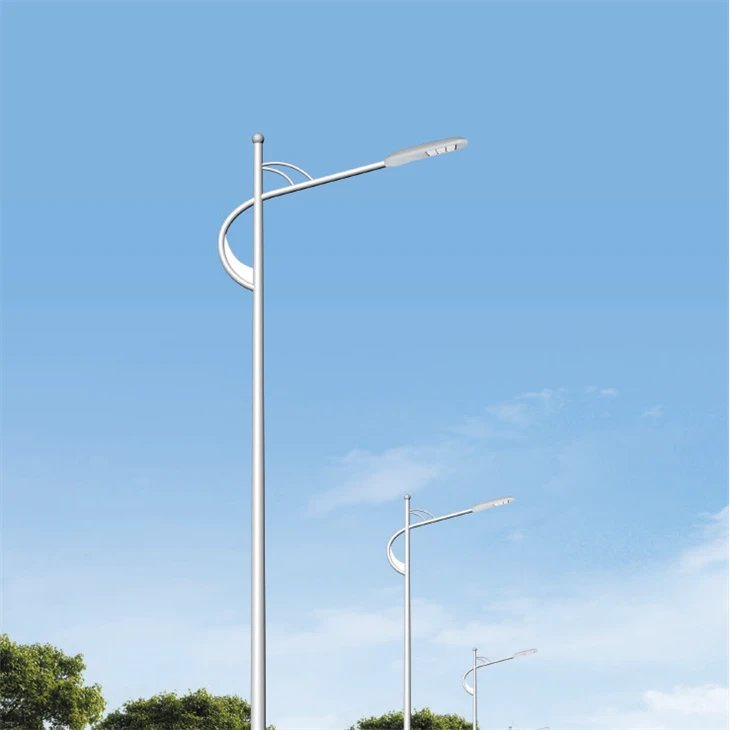
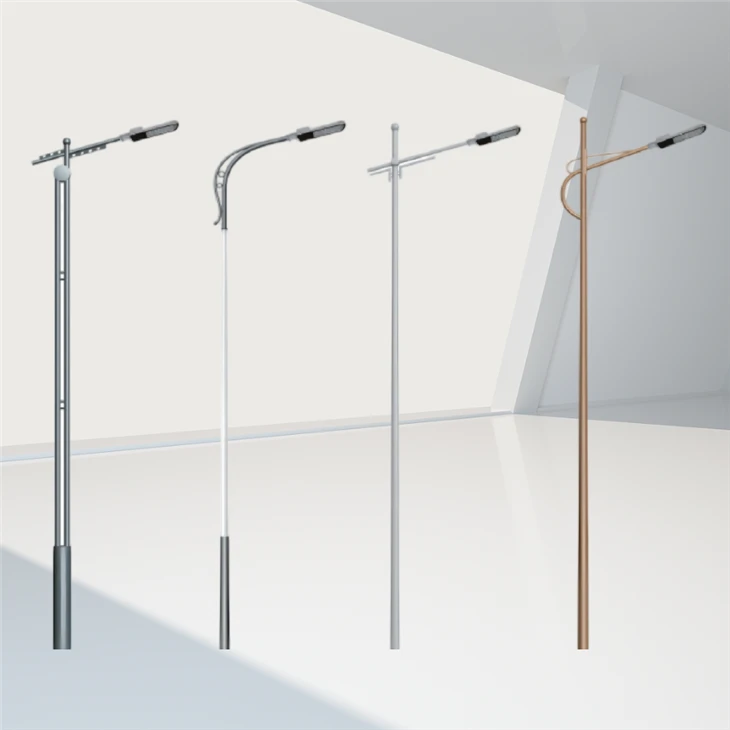
If you're considering upgrading the lighting in a pedestrian area, I encourage you to explore our range of LED lamp street lights. We offer a variety of options, including 18w Led Street Light, 12v Led Street Light, and 150w Street Light. Our team of experts can help you choose the right lighting solution for your specific needs. Contact us to discuss your requirements and start the procurement process. We look forward to working with you to create a well - lit and safe pedestrian environment.
References
- "LED Lighting for Outdoor Applications," Lighting Research Center, Rensselaer Polytechnic Institute.
- "The Impact of LED Lighting on Human Health and Wildlife," Journal of Environmental Science and Technology.
- "Energy - Efficient Lighting Solutions for Urban Areas," International Energy Agency.


