

Are there any noise - related issues with high mast lighting?
As a high mast lighting supplier, I've encountered various questions from clients over the years. One question that doesn't come up as frequently but is still important is whether there are any noise - related issues with high mast lighting. In this blog, I'll explore this topic in detail, looking at the possible sources of noise, whether it's a common problem, and what can be done to address it if it does occur.
Possible Sources of Noise in High Mast Lighting
1. Wind - Induced Noise
One of the most common potential sources of noise in high mast lighting is wind. High mast lights are typically tall structures, often ranging from 20 to 40 meters in height. When the wind blows against the mast, the light fixtures, and any accessories, it can create aerodynamic noise. The shape and design of the mast and the fixtures play a significant role in how much noise is generated. For example, a mast with a smooth, streamlined design is likely to produce less wind - induced noise compared to one with a more irregular or bulky shape.
The light fixtures themselves can also contribute to wind noise. If the fixtures have sharp edges or protrusions, the wind can cause vibrations and whistling sounds as it passes over them. Additionally, if the fixtures are not properly secured, they may rattle in the wind, creating an annoying noise.
2. Electrical Noise
Another possible source of noise is electrical in nature. High mast lighting systems often use high - intensity discharge (HID) lamps or LED lights. HID lamps, such as metal halide or high - pressure sodium lamps, can produce a faint buzzing sound due to the electrical current flowing through the lamp's ballast. The ballast is a device that regulates the electrical current to the lamp. In some cases, a faulty or aging ballast can produce a louder and more noticeable buzzing noise.
LED lights, on the other hand, are generally quieter than HID lamps. However, if the LED driver, which is similar to a ballast for LEDs, is of poor quality or not properly designed, it can also produce a high - pitched whining or buzzing noise.
3. Mechanical Noise
Mechanical components in high mast lighting systems can also be a source of noise. For example, if the mast has a motorized lifting mechanism, such as those used in High Mast Light Pole With Fall Proof System, the motor and gears can produce noise during operation. Worn - out or poorly maintained mechanical parts can make the noise even more pronounced.
Similarly, if the mast has a ladder, like in High Mast Light Pole With Ladder, any loose or vibrating parts of the ladder can create noise, especially when someone climbs on it or when there is wind movement.
Is Noise a Common Problem?
In general, noise is not a widespread problem with high mast lighting. Most modern high mast lighting systems are designed to minimize noise. Manufacturers take into account factors such as aerodynamics, electrical design, and mechanical stability during the design and production process.
However, in some cases, noise can become an issue. For example, in areas with high wind speeds, the wind - induced noise may be more noticeable. Also, if the lighting system is installed near residential areas or other noise - sensitive locations, even a small amount of noise can be a concern.
Poor installation and maintenance can also increase the likelihood of noise problems. If the mast is not installed level or the fixtures are not properly tightened, it can lead to vibrations and noise. Similarly, neglecting to replace worn - out electrical or mechanical components can cause noise to develop over time.
Addressing Noise - Related Issues
1. Design and Selection
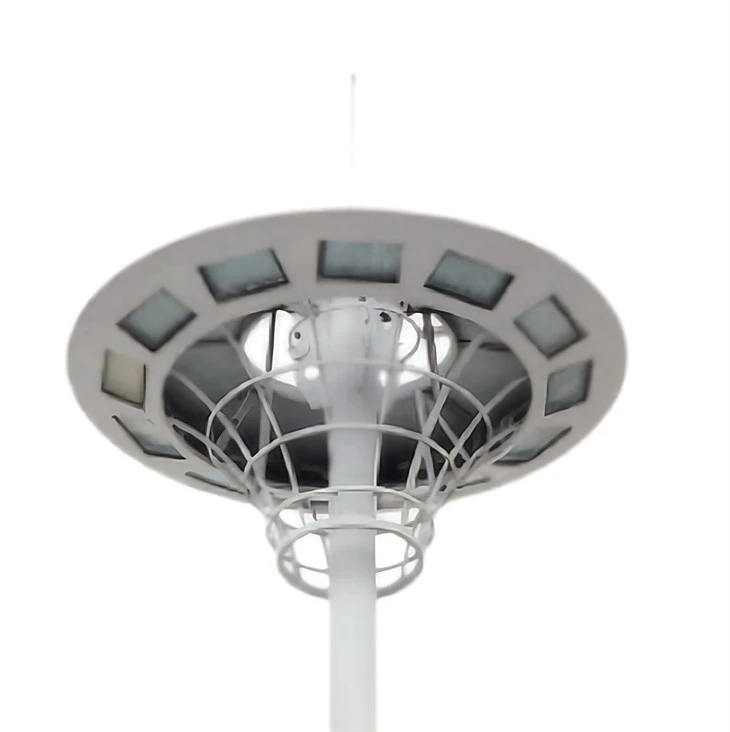
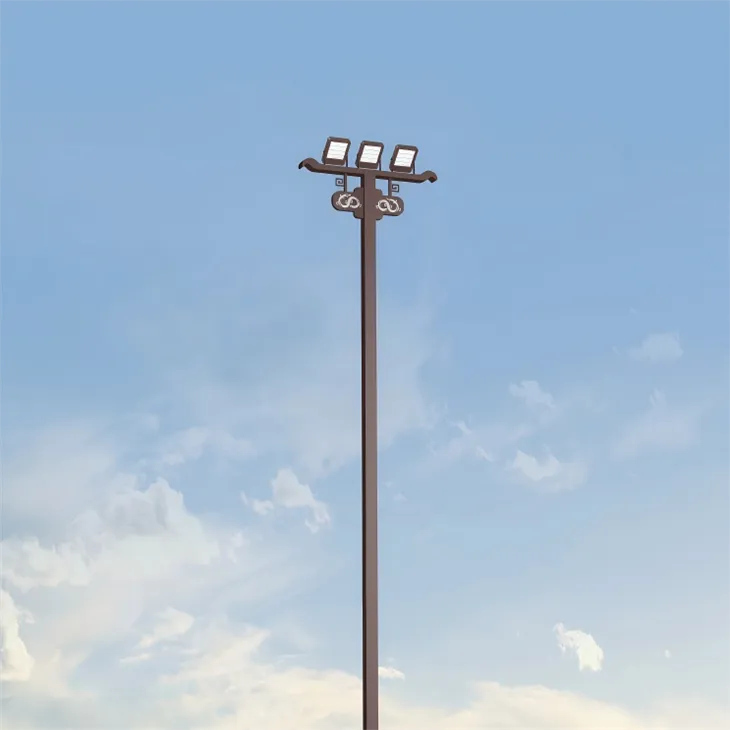
When it comes to preventing noise problems, the design and selection of the high mast lighting system are crucial. As a supplier, I always recommend choosing masts and fixtures with a smooth and aerodynamic design. Lighting High Mast options that are specifically designed to reduce wind noise can be a great choice.
For the lighting technology, LED lights are generally a better option in terms of noise compared to HID lamps. LED drivers with high - quality components can also minimize electrical noise.
2. Proper Installation
Proper installation is essential to prevent noise problems. The mast should be installed on a stable foundation and leveled correctly. The fixtures should be securely attached to the mast, and all connections should be tightened. If there are mechanical components, such as lifting mechanisms or ladders, they should be installed according to the manufacturer's instructions.
3. Maintenance
Regular maintenance is key to keeping the high mast lighting system quiet. This includes checking the fixtures for loose parts, inspecting the electrical components for signs of wear or damage, and lubricating mechanical parts as needed. If a noisy component is identified, it should be repaired or replaced promptly.
Conclusion
While noise - related issues with high mast lighting are not common, they can occur under certain circumstances. By understanding the possible sources of noise, taking appropriate measures during design, installation, and maintenance, these issues can be effectively managed.
If you're considering purchasing high mast lighting for your project, I encourage you to reach out to discuss your specific needs. We can help you select the right high mast lighting system that not only provides excellent illumination but also minimizes the risk of noise problems. Contact us to start the procurement discussion and find the best solution for your lighting requirements.
References
- General knowledge of high mast lighting technology and design principles.
- Experience from years of working as a high mast lighting supplier.


