

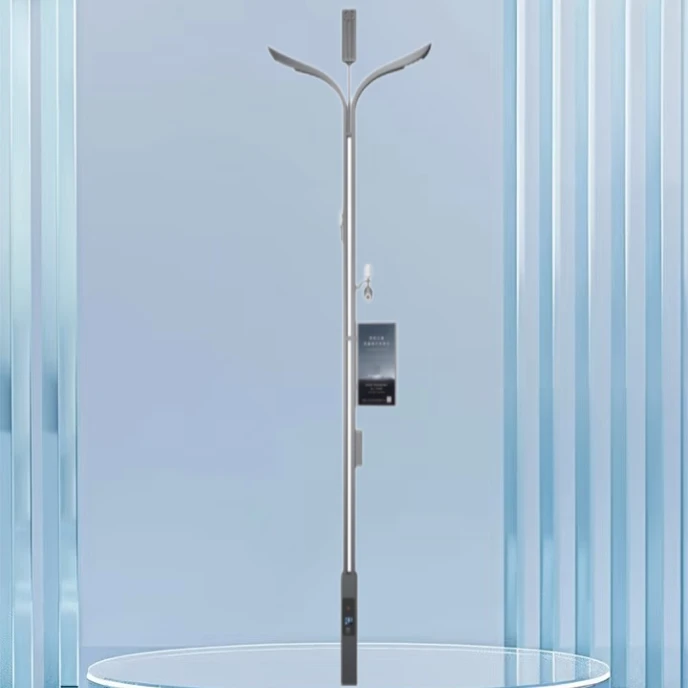
Smart street lights represent a significant advancement in urban infrastructure, leveraging sensors to enhance efficiency, safety, and sustainability. As a smart street light supplier, I've witnessed firsthand the transformative power of these technologies in modern cities. In this blog, I'll delve into how smart street lights use sensors to revolutionize public lighting.
Understanding the Basics of Sensor - Equipped Smart Street Lights
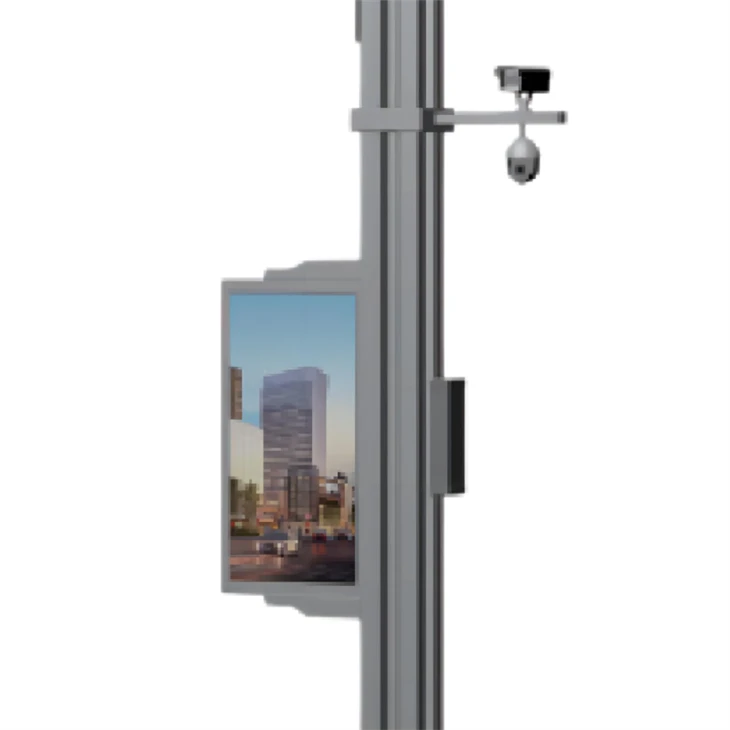
Smart street lights are not just ordinary lighting fixtures; they are integrated systems that incorporate various sensors to collect data and respond to environmental changes. These sensors can detect a wide range of conditions, including motion, light levels, temperature, and air quality. By analyzing this data, smart street lights can adjust their brightness, turn on or off, and even communicate with other devices in the network.
Motion Sensors
One of the most common sensors used in smart street lights is the motion sensor. These sensors work on the principle of detecting changes in infrared radiation or ultrasonic waves. When a person or vehicle approaches a street light equipped with a motion sensor, the light can automatically increase its brightness. This not only enhances safety by providing adequate illumination when needed but also saves energy by reducing unnecessary lighting during periods of low activity.
For example, in a residential area, smart street lights with motion sensors can remain dimmed during the late - night hours when there is little traffic. As soon as a pedestrian or a car enters the area, the lights brighten up, guiding the way and deterring potential criminal activities. The use of motion sensors can significantly reduce energy consumption, as lights are only at full brightness when required.
Light Sensors
Light sensors, also known as photoelectric sensors, are another crucial component of smart street lights. These sensors measure the ambient light levels in the environment. During the day, when there is sufficient natural light, the smart street lights can be automatically turned off. As the sun sets and the ambient light decreases, the light sensors detect this change and trigger the lights to turn on.
This functionality ensures that the street lights operate only when necessary, further optimizing energy usage. Moreover, light sensors can also adjust the brightness of the lights based on the time of day and the amount of available natural light. For instance, in the early evening or on overcast days, the lights may be set to a lower brightness level compared to the middle of the night.
Temperature and Humidity Sensors
Temperature and humidity sensors in smart street lights can provide valuable information about the environmental conditions. Extreme temperatures and high humidity can affect the performance and lifespan of the lighting fixtures. By monitoring these factors, the smart street light system can adjust its operation to protect the lights.
For example, if the temperature is too high, the system may reduce the power output of the lights to prevent overheating. Similarly, in high - humidity conditions, the system can take measures to prevent moisture damage. This proactive approach helps to extend the lifespan of the street lights and reduces maintenance costs.
Air Quality Sensors
Some advanced smart street lights are also equipped with air quality sensors. These sensors can detect pollutants such as particulate matter (PM2.5 and PM10), nitrogen oxides (NOx), and carbon monoxide (CO). By collecting this data, cities can monitor air quality in real - time and take appropriate measures to improve it.
The data from air quality sensors can be integrated with other urban management systems. For example, traffic management systems can adjust traffic flow based on air quality levels to reduce emissions. Additionally, the information can be made available to the public, raising awareness about air pollution and encouraging sustainable behavior.
How Sensors Enable Communication and Centralized Control
Smart street lights are not isolated devices; they are part of a larger network that enables communication and centralized control. The sensors in the street lights collect data and transmit it to a central control system. This system can then analyze the data and make decisions about the operation of the lights.
Wireless Communication
Most smart street lights use wireless communication technologies such as Wi - Fi, ZigBee, or LoRaWAN to transmit data. These technologies allow the lights to communicate with each other and with the central control system. For example, if one street light detects a malfunction or a change in environmental conditions, it can send a signal to the central control system, which can then take appropriate action.
Centralized Control
The central control system provides a comprehensive view of the entire smart street light network. It can monitor the status of each light, adjust the brightness levels, and schedule maintenance. This centralized control allows for more efficient management of the street lighting system, reducing energy consumption and improving overall performance.
The Benefits of Smart Street Lights with Sensors
The use of sensors in smart street lights offers numerous benefits for cities and their residents.
Energy Efficiency
As mentioned earlier, smart street lights with sensors can significantly reduce energy consumption. By adjusting the brightness based on motion, light levels, and other factors, the lights use only the amount of energy required. This not only saves money on electricity bills but also reduces the carbon footprint of the city.
Enhanced Safety
Motion sensors in smart street lights improve safety by providing adequate illumination when needed. Well - lit streets deter crime and make it easier for pedestrians and drivers to navigate. Additionally, the real - time data from the sensors can be used to identify areas with high traffic or safety risks, allowing cities to take proactive measures.
Improved Urban Management
The data collected by the sensors in smart street lights can be used for various urban management purposes. For example, air quality data can help in formulating environmental policies, and traffic data can be used to optimize traffic flow. This data - driven approach to urban management leads to more efficient and sustainable cities.
Real - World Applications
Smart street lights with sensors are already being implemented in many cities around the world. For example, in some European cities, smart street lighting systems have been installed to reduce energy consumption and improve safety. These systems use a combination of motion, light, and temperature sensors to optimize the operation of the lights.
In Asia, cities are also adopting smart street lights to enhance urban living. For instance, some cities are using smart street lights with air quality sensors to monitor pollution levels and take appropriate action. The integration of these sensors into the street lighting infrastructure provides a cost - effective way to collect environmental data.
Conclusion
Smart street lights with sensors are a game - changer in the field of urban infrastructure. By leveraging the power of sensors, these lights can optimize energy usage, enhance safety, and improve urban management. As a smart street light supplier, I'm excited to be part of this technological revolution.
If you're interested in learning more about our smart street light solutions or are looking to upgrade your city's lighting infrastructure, we'd love to have a conversation. Contact us to discuss your specific needs and how our smart street lights can transform your city.
References
- Various industry reports on smart street lighting technologies
- Research papers on the use of sensors in urban infrastructure


