

In the dynamic landscape of modern traffic management, solar traffic lights have emerged as a sustainable and efficient solution. As a leading supplier of solar traffic lights, I've witnessed firsthand the critical role these systems play in maintaining order on our roads. One of the most frequently asked questions I encounter is how solar traffic lights maintain their accuracy over time. In this blog post, I'll delve into the key factors that contribute to the long - term accuracy of solar traffic lights.
The Basics of Solar Traffic Lights
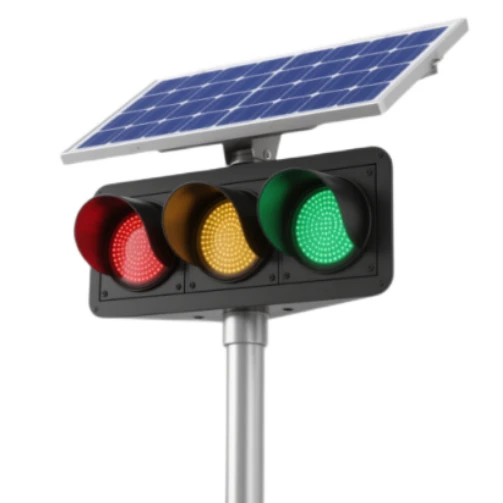
Before we explore how they maintain accuracy, let's briefly understand what solar traffic lights are. Solar traffic lights, such as the Solar Traffic Signal Light, are self - contained units that use solar panels to convert sunlight into electrical energy. This energy is stored in batteries, which power the traffic light signals. They are an environmentally friendly alternative to traditional grid - powered traffic lights, especially in remote areas or places where installing electrical infrastructure is challenging.
Precise Timekeeping Mechanisms
At the heart of every traffic light system is a reliable timekeeping mechanism. Solar traffic lights are no exception. Most modern solar traffic lights are equipped with highly accurate internal clocks, often based on quartz crystal oscillators. These oscillators generate a stable electrical signal at a specific frequency, which is used to measure time with great precision.
The accuracy of quartz crystal oscillators is typically on the order of a few parts per million (ppm). This means that for every million seconds, the clock may deviate by only a few seconds. However, over long periods, even these small deviations can accumulate. To counteract this, many solar traffic lights are designed to synchronize with external time sources, such as GPS satellites.
GPS (Global Positioning System) provides extremely accurate time signals. By receiving signals from multiple GPS satellites, the traffic light system can adjust its internal clock to match the global standard time. This ensures that the traffic light cycles remain accurate and consistent, regardless of how long the system has been in operation. For example, our Solar Traffic Light System is designed to take advantage of GPS synchronization for enhanced accuracy.
Robust Hardware Design
Another crucial factor in maintaining the accuracy of solar traffic lights is the quality of their hardware design. The components used in solar traffic lights, from the solar panels to the LEDs and control boards, need to be durable and reliable.
Solar panels are the primary source of energy for these systems. High - quality solar panels are designed to withstand harsh environmental conditions, such as extreme temperatures, humidity, and UV radiation. They are also engineered to have a high conversion efficiency, which means they can convert more sunlight into electrical energy. This ensures that the batteries are consistently charged, providing a stable power supply to the traffic light signals.
The LEDs used in solar traffic lights are also of utmost importance. They need to have a long lifespan and consistent brightness. Modern LEDs are designed to emit a specific color and intensity of light, which is essential for clear visibility. Our Solar Led Traffic Signs use high - quality LEDs that are tested to ensure they meet strict standards for brightness and color accuracy.
The control boards in solar traffic lights are responsible for managing the power supply, controlling the signal cycles, and communicating with external devices. These boards are designed with redundant features and built - in protection mechanisms to prevent malfunctions. For example, they may have over - voltage and over - current protection to safeguard the components from damage.
Environmental Adaptability
Solar traffic lights are exposed to a wide range of environmental conditions, which can potentially affect their accuracy. However, through careful design and engineering, these systems are able to adapt and maintain their performance.
Temperature is one of the most significant environmental factors. Extreme temperatures can affect the performance of the batteries, solar panels, and electronic components. To mitigate this, solar traffic lights are often equipped with temperature - compensation circuits. These circuits adjust the charging and discharging rates of the batteries based on the ambient temperature, ensuring that the batteries operate within their optimal temperature range.
Humidity and moisture can also cause problems, such as corrosion and short - circuits. To protect against these issues, the components of solar traffic lights are often sealed and coated with protective materials. This prevents water and moisture from entering the system and damaging the internal components.

Regular Maintenance and Monitoring
Even with the most advanced technology and robust design, regular maintenance and monitoring are essential for ensuring the long - term accuracy of solar traffic lights. As a supplier, we provide comprehensive maintenance services to our customers.
Regular inspections are carried out to check the condition of the solar panels, batteries, LEDs, and control boards. Any signs of damage or wear are addressed promptly to prevent further problems. For example, if a solar panel is found to be dirty or damaged, it can be cleaned or replaced to ensure maximum energy generation.
Monitoring systems are also in place to track the performance of the solar traffic lights. These systems collect data on parameters such as battery voltage, solar panel output, and signal cycles. By analyzing this data, we can detect any potential issues early and take corrective actions. For instance, if the battery voltage is consistently low, it may indicate a problem with the charging system, and we can investigate and fix the issue before it affects the accuracy of the traffic light signals.
Conclusion
In conclusion, solar traffic lights are able to maintain their accuracy over time through a combination of precise timekeeping mechanisms, robust hardware design, environmental adaptability, and regular maintenance and monitoring. As a supplier, we are committed to providing high - quality solar traffic light solutions that meet the strictest standards of accuracy and reliability.
If you're interested in learning more about our solar traffic light products or have any questions about their performance and accuracy, we'd love to hear from you. Whether you're a municipality looking to upgrade your traffic management system or a contractor working on a new project, our team of experts is ready to assist you. Contact us to start a conversation about how our solar traffic lights can meet your specific needs and contribute to safer and more efficient traffic flow.
References
- "Traffic Signal Systems Handbook", Federal Highway Administration
- "Solar Energy Systems: Design and Installation Guide", International Renewable Energy Agency
- "LED Lighting Technology: Principles and Applications", Lighting Research Center


