

Traffic lights are an essential part of our daily lives, regulating the flow of vehicles and pedestrians in both rural and urban areas. However, the design, function, and usage of traffic lights can vary significantly between these two settings. As a traffic lights supplier, I have had the opportunity to observe and understand these differences firsthand. In this blog post, I will explore how traffic lights in rural areas differ from those in urban areas.
1. Traffic Volume and Density
One of the most significant differences between rural and urban areas is the traffic volume and density. Urban areas typically have a much higher volume of vehicles and pedestrians, leading to more complex traffic patterns. In contrast, rural areas have lower traffic volumes, which means that traffic lights in these areas do not need to handle as much traffic.
In urban areas, traffic lights are often synchronized to manage the flow of traffic across multiple intersections. This synchronization helps to reduce congestion and improve traffic efficiency. For example, a series of traffic lights on a busy urban street may be set to turn green in a coordinated manner, allowing vehicles to move smoothly through the area. On the other hand, in rural areas, traffic lights are less likely to be synchronized because the traffic volume is not high enough to require such a complex system.
2. Design and Complexity
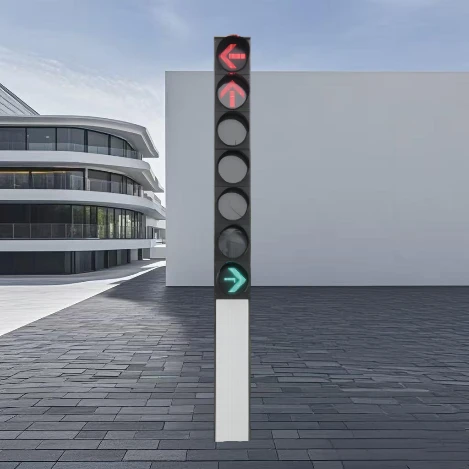
The design of traffic lights also varies between rural and urban areas. Urban traffic lights are usually more complex and may include additional features to accommodate the high volume of traffic and pedestrians. For instance, urban traffic lights often have multiple signal heads to indicate different movements, such as left turns, right turns, and straight-ahead traffic. They may also include pedestrian signals, countdown timers, and other advanced features.
In rural areas, traffic lights are generally simpler in design. They typically have fewer signal heads and may not include some of the advanced features found in urban traffic lights. This is because the lower traffic volume in rural areas does not require the same level of complexity. For example, a rural intersection may only have a basic three-color traffic light (red, yellow, and green) without additional signal heads for turns.
3. Flashing Lights and Special Signals
Another difference between rural and urban traffic lights is the use of flashing lights and special signals. In urban areas, flashing lights are often used to indicate specific conditions, such as a school zone or a construction area. For example, a Flashing White Light On Traffic Lights may be used to indicate a pedestrian crossing or a special event.
In rural areas, flashing lights are more commonly used as a primary means of traffic control. A Flashing Yellow Signal is often used at intersections with low traffic volume, indicating that drivers should slow down and proceed with caution. This is a more cost-effective and practical solution for rural areas, as it requires less infrastructure and maintenance compared to a full-time traffic light system.
4. Power Supply and Maintenance
The power supply and maintenance of traffic lights also differ between rural and urban areas. In urban areas, traffic lights are usually connected to the main power grid, which provides a reliable and continuous source of electricity. This allows for the use of more complex and energy-intensive traffic light systems.
In rural areas, however, access to the main power grid may be limited. As a result, traffic lights in rural areas are often powered by alternative sources, such as solar panels or batteries. These alternative power sources are more suitable for rural areas because they are cost-effective and can operate independently of the main power grid.
Maintenance is also a crucial factor in both rural and urban areas. In urban areas, traffic lights are regularly monitored and maintained by the local government or transportation department. This ensures that the traffic lights are functioning properly and that any issues are addressed promptly. In rural areas, maintenance may be more challenging due to the remote location of the traffic lights. However, as a traffic lights supplier, we offer reliable maintenance services to ensure that our traffic lights in rural areas are always in good working condition.
5. Pedestrian and Bicycle Considerations
Urban areas typically have a higher number of pedestrians and cyclists, which means that traffic lights in these areas need to be designed to accommodate their needs. Urban traffic lights often include Crosswalk Light Sign to indicate when it is safe for pedestrians to cross the road. They may also have special signals for cyclists, such as dedicated bike lanes and bike traffic lights.
In rural areas, the number of pedestrians and cyclists is generally lower. As a result, traffic lights in rural areas may not have the same level of pedestrian and bicycle considerations. However, as rural areas become more populated and the number of cyclists and pedestrians increases, there is a growing need for traffic lights that can accommodate these users.
6. Cost and Budget Constraints
Cost is an important factor in the installation and operation of traffic lights in both rural and urban areas. In urban areas, the high cost of land, infrastructure, and maintenance can make it more expensive to install and operate traffic lights. However, the benefits of traffic lights in urban areas, such as reducing congestion and improving safety, often justify the higher cost.
In rural areas, budget constraints are often more significant. The lower traffic volume and population density in rural areas mean that there is less funding available for traffic light installation and maintenance. As a traffic lights supplier, we understand these budget constraints and offer cost-effective solutions for rural areas. For example, we provide traffic lights that are powered by alternative energy sources, which can reduce the long-term operating costs.
7. Adaptability to Local Conditions
Rural areas often have unique local conditions that need to be considered when installing traffic lights. For example, rural areas may have more wildlife crossings, which require special traffic light signals to alert drivers. They may also have different weather conditions, such as heavy snow or strong winds, which can affect the performance of traffic lights.
Urban areas, on the other hand, are more standardized in terms of traffic patterns and local conditions. Traffic lights in urban areas are designed to meet the general needs of a large population and are less likely to be affected by unique local conditions.

Conclusion
In conclusion, traffic lights in rural areas differ from those in urban areas in several ways. These differences are mainly due to the lower traffic volume, simpler traffic patterns, and budget constraints in rural areas. As a traffic lights supplier, we understand the unique needs of both rural and urban areas and offer customized solutions to meet these needs.
If you are interested in purchasing traffic lights for your rural or urban project, we would be happy to discuss your requirements and provide you with a tailored solution. Contact us today to start the procurement process and ensure that your traffic management needs are met efficiently and effectively.
References
- "Traffic Engineering Handbook" by the Institute of Transportation Engineers
- "Principles of Traffic Flow Theory" by Donald L. Gerlough and Merrill J. Huber
- Local transportation department reports on rural and urban traffic management


