Hey there! As a supplier of smart street lights, I've had the privilege of witnessing firsthand the incredible transformation these lights bring to cities and communities. In this blog, I'll dive into the cost - effectiveness factors of smart street lights, sharing some insights that I hope will be useful for you.
Energy Efficiency
One of the most significant cost - effectiveness factors of smart street lights is their energy efficiency. Traditional street lights, like high - pressure sodium lamps, are known for their high energy consumption. They operate at full brightness throughout the night, regardless of the actual need.
Smart street lights, on the other hand, use LED technology. LEDs are far more energy - efficient than traditional lighting sources. They convert a higher percentage of electrical energy into light, rather than wasting it as heat. For example, a typical LED smart street light can use up to 50% less energy than a traditional high - pressure sodium lamp.
Moreover, smart street lights can be integrated with sensors. These sensors can detect the presence of vehicles or pedestrians. When there's no activity, the lights can dim automatically, further reducing energy consumption. This feature not only saves on electricity bills but also extends the lifespan of the bulbs. You can check out Smart City Street Light for more details on the energy - saving capabilities of these lights.
Long Lifespan
Another cost - effective aspect of smart street lights is their long lifespan. LEDs have a much longer operational life compared to traditional lighting options. A well - made LED smart street light can last up to 50,000 hours or more. This means fewer replacements over time.
Think about it. With traditional street lights, you have to constantly replace bulbs, which incurs costs for the bulbs themselves, as well as the labor required for replacement. In contrast, smart street lights with their long lifespan reduce the frequency of replacements. This not only saves money but also minimizes the disruption caused by maintenance work on the streets.
Reduced Maintenance Costs
Smart street lights come with advanced monitoring systems. These systems can detect when a light is malfunctioning or when there's an issue with the power supply. Through the Smart Street Light Control System, maintenance teams can be notified immediately.
This real - time monitoring allows for proactive maintenance. Instead of waiting for a light to completely fail and then sending a team to fix it, the maintenance can be scheduled in advance. This reduces the overall maintenance costs, as technicians can address issues before they become major problems. Additionally, since the smart street lights are more reliable due to their long lifespan and advanced technology, the need for frequent maintenance is significantly reduced.
Improved Safety and Security
Smart street lights contribute to improved safety and security in cities. Well - lit streets make it easier for pedestrians to navigate and for drivers to see the road. The ability to adjust the brightness based on the presence of people and vehicles ensures that areas are well - illuminated when needed.
This improved safety can have cost - saving implications. For instance, fewer accidents on well - lit streets mean lower costs associated with property damage, medical expenses, and legal fees. In addition, increased security can lead to a reduction in crime rates, which in turn can save money for the community in terms of law enforcement and social services.
Flexibility and Scalability
Smart street lights offer great flexibility and scalability. They can be easily integrated into existing street lighting systems. Whether you're looking to upgrade a small neighborhood or an entire city, smart street lights can be customized to meet your specific needs.

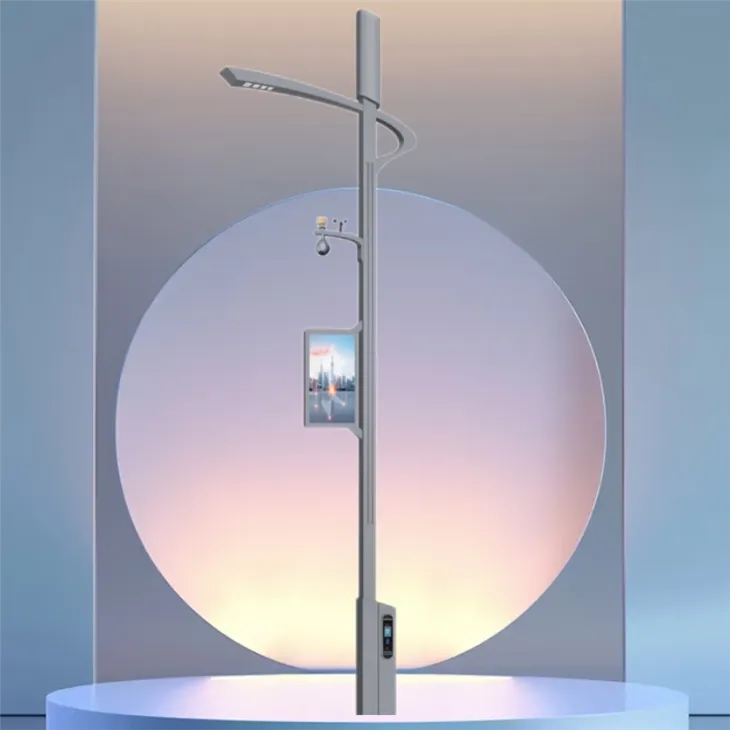
You can start with a small pilot project and gradually expand as you see the benefits. The Intelligent Street Light Control System allows for easy management and control of the lights, making it simple to adjust settings, monitor performance, and add or remove lights as required.
Environmental Benefits
In today's world, environmental concerns are a major factor in decision - making. Smart street lights are more environmentally friendly compared to traditional lighting. Their energy efficiency means a reduced carbon footprint. Less energy consumption translates to fewer greenhouse gas emissions.
Many cities are now looking to reduce their environmental impact, and smart street lights are a great way to achieve this. By choosing smart street lights, you're not only saving money but also contributing to a more sustainable future.
Return on Investment (ROI)
When considering the cost - effectiveness of smart street lights, it's important to look at the long - term return on investment. While the initial investment in smart street lights may be higher than traditional lights, the savings in energy, maintenance, and other associated costs over time more than make up for it.
The ROI of smart street lights can be significant, especially in large - scale projects. Cities and municipalities can expect to see a payback period of a few years, after which the savings continue to accumulate.
In conclusion, the cost - effectiveness of smart street lights is evident in their energy efficiency, long lifespan, reduced maintenance costs, improved safety, flexibility, environmental benefits, and high return on investment. If you're considering upgrading your street lighting system, I highly recommend smart street lights.
If you're interested in learning more about our smart street light products or have any questions regarding cost - effectiveness and implementation, don't hesitate to reach out. We're here to help you make the best decision for your community.
References
- General knowledge on street lighting technology and cost - effectiveness analysis.
- Industry reports on smart street light systems and their benefits.