

Hey there! As a supplier of traffic signs, I've had my fair share of dealing with both permanent and temporary traffic signs. And let me tell ya, there are quite a few differences between the two. In this blog, I'm gonna break down these differences to help you understand which type of sign is best for your specific needs.
Material and Durability
First off, let's talk about the materials used. Permanent traffic signs are made to last. They're usually crafted from high - quality materials like aluminum, which is resistant to rust and corrosion. The reflective sheeting on permanent signs is also top - notch, designed to maintain its visibility for years. This is important because these signs are going to be out in all kinds of weather conditions, from scorching summers to freezing winters.
On the flip side, temporary traffic signs are often made from lighter and more flexible materials. Vinyl is a common choice. It's easy to print on, and you can roll it up for storage when it's not in use. But because it's not as sturdy as aluminum, it won't last as long. Temporary signs are meant for short - term use, like during a road construction project or a special event.
Installation and Removal
Installing permanent traffic signs is a serious deal. It usually involves a lot of planning and proper equipment. You can't just stick them up anywhere. They need to be placed at specific locations according to traffic regulations. For example, stop signs need to be at a certain height and distance from the intersection. The installation process might require drilling holes in the ground or using heavy - duty poles. Once they're up, they're there for the long haul. Removing them also requires proper authorization and can be a complex process.
Temporary traffic signs, on the other hand, are a breeze to install and remove. You can use stakes to put them in the ground, or they can be attached to barricades. This makes them perfect for situations where you need to set up and take down signs quickly. For instance, if you're hosting a one - day festival, you can easily install the necessary signs in the morning and remove them at the end of the day.
Design and Function
Permanent traffic signs have a standardized design. There are strict rules about their shape, color, and symbols. For example, a yield sign is always triangular and red - and - white. These standardized designs are recognized by drivers all over the place, which is crucial for safety. They convey important and long - term traffic rules, like speed limits or no - entry zones.
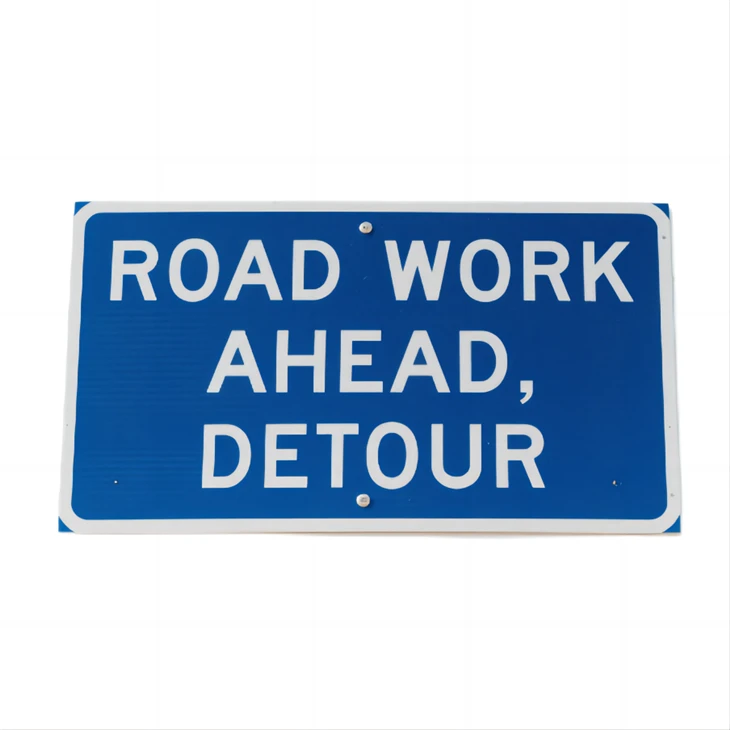
Temporary signs, however, can be more flexible in design. They can be customized to fit the specific needs of a project. For example, during a Street Work Signs, you might need a sign that says "Detour Ahead" or "Road Closed." You can add specific details like the duration of the work or the alternative route. This flexibility allows them to communicate specific, short - term information to drivers.
Cost
Cost is another major difference. Permanent traffic signs are more expensive. The high - quality materials, the complex installation process, and the compliance with strict regulations all contribute to the higher price tag. But when you think about it, they're a long - term investment. You won't have to replace them often, so in the long run, they can be cost - effective.
Temporary traffic signs are much cheaper. The materials are less expensive, and the installation is easier and quicker. If you only need signs for a short period, it doesn't make sense to spend a fortune on permanent ones. You can get 2m Traffic Sign or other temporary signs at a fraction of the cost of permanent ones.
Visibility and Maintenance
Visibility is key for both types of signs, but the approach is different. Permanent signs rely on their high - quality reflective sheeting to be visible day and night. They're designed to be seen from a distance and in all lighting conditions. Maintenance for these signs usually involves periodic cleaning and inspection to make sure the reflective material is still working properly.
Temporary signs also need to be visible, but since they're for short - term use, the standards might not be as high. They can use less expensive reflective materials. However, because they're often in more dynamic environments, like construction sites, they might need more frequent checks to make sure they're still standing and visible.
Usage Scenarios
Permanent traffic signs are used in all sorts of places where long - term traffic control is needed. You'll see them on highways, city streets, and residential areas. They're essential for maintaining order and safety on the roads. For example, Highway Construction and Maintenance Signs that are permanent help drivers know the rules of the road and avoid accidents.
Temporary signs are mainly used for short - term situations. Construction projects are a big one. When a road is being repaired or widened, temporary signs are used to direct traffic safely around the work area. Special events, like concerts or sports games, also require temporary signs to guide people to parking areas and entrances.
Regulatory Requirements
Permanent traffic signs have to meet a whole bunch of regulatory requirements. These regulations are in place to ensure consistency and safety across the board. They cover everything from the size of the sign to the font used on it. Any deviation from these regulations can lead to legal issues.
Temporary signs also have regulations, but they're usually less strict. However, they still need to be clear and visible. For example, they can't obstruct the view of other important signs or cause confusion for drivers.

So, now that you know the differences between permanent and temporary traffic signs, you can make a more informed decision about which type is right for you. Whether you're a local government looking to install new permanent signs or a construction company in need of temporary ones, I'm here to help. If you're interested in purchasing traffic signs, feel free to reach out. We can have a chat about your specific requirements and find the best solution for you.
References
- Federal Highway Administration. (2023). Manual on Uniform Traffic Control Devices (MUTCD).
- Traffic Sign Association. (2023). Best Practices for Traffic Sign Installation and Maintenance.


