

Yo! I'm a supplier in the solar traffic system game, and I get asked all the time about the maintenance costs of these systems. So, I thought I'd break it down for you in this blog.
First off, let's talk about why solar traffic systems are so popular. They're eco - friendly, cost - effective in the long run, and can be installed in areas where there's no easy access to the power grid. But like any piece of equipment, they need some TLC to keep them running smoothly.
1. Battery Maintenance
The battery is a crucial part of a solar traffic system. It stores the energy collected by the solar panels during the day so that the system can operate at night. Most solar traffic systems use deep - cycle batteries, which are designed to be discharged and recharged repeatedly.
The cost of battery maintenance mainly comes from replacement. Batteries have a limited lifespan, usually around 3 - 5 years depending on usage and environmental conditions. If you're in an area with extreme temperatures, the battery life might be even shorter.
When it comes to replacing the battery, the cost can vary widely. A basic deep - cycle battery for a small solar traffic sign might cost around $100 - $200, while larger batteries for more complex traffic systems like traffic lights can set you back $500 - $1000 or more.
To extend the battery life, you need to make sure it's properly charged and not over - discharged. Regularly checking the battery's charge level and ensuring the solar panels are working efficiently can help. Also, keeping the battery in a cool and dry place can prevent it from deteriorating too quickly.
2. Solar Panel Maintenance
Solar panels are the heart of the solar traffic system as they collect the sunlight and convert it into electricity. The good news is that solar panels generally require very little maintenance.
Most of the time, all you need to do is keep them clean. Dust, dirt, and bird droppings can accumulate on the panels and reduce their efficiency. You can clean the panels with a soft brush and some soapy water. This is a very low - cost maintenance task, and you can do it yourself in most cases.
However, if a solar panel gets damaged, say from a hailstorm or a falling branch, replacement can be costly. A small solar panel for a traffic sign might cost around $50 - $100, while a larger panel for a traffic light system can cost $200 - $500. But don't worry, these kinds of damages are relatively rare.
It's also a good idea to have the solar panels inspected regularly by a professional. They can check for any signs of wear and tear, loose connections, or other issues that might affect the panel's performance.
3. LED Light Maintenance
LED lights are commonly used in solar traffic systems because they're energy - efficient and have a long lifespan. But they're not indestructible.
The main maintenance cost for LED lights is replacement. Although LEDs last a long time, sometimes they can burn out or develop a fault. A single LED bulb for a traffic sign might cost just a few dollars, but if you're dealing with a large traffic light system with multiple LEDs, the cost can add up.
You also need to make sure the LED lights are properly installed and protected from the elements. Moisture and extreme temperatures can shorten their lifespan. Regularly checking the lights for proper operation and replacing any faulty ones can help keep the traffic system visible and safe.
4. Controller and Sensor Maintenance
Solar traffic systems often have controllers and sensors to regulate the charging of the battery, control the operation of the lights, and detect traffic conditions.
Controllers can sometimes malfunction due to electrical issues or software glitches. If a controller needs to be replaced, it can cost anywhere from $50 - $200 depending on its complexity.
Sensors, such as motion sensors or traffic flow sensors, are also important for the proper functioning of the system. They can get dirty or damaged over time. A simple sensor might cost around $20 - $50 to replace, while more advanced sensors can be more expensive.
Regularly checking the controllers and sensors for proper operation and cleaning them if necessary can prevent major problems and reduce the overall maintenance cost.
5. Installation and Labor Costs
When it comes to maintenance, installation and labor costs can't be ignored. If you're not experienced in working with solar traffic systems, you might need to hire a professional to do the maintenance tasks.
The labor cost can vary depending on the complexity of the job and your location. For a simple battery replacement or panel cleaning, you might pay around $50 - $100 per hour. But for more complex tasks like replacing a controller or a large - scale system inspection, the cost can be higher.
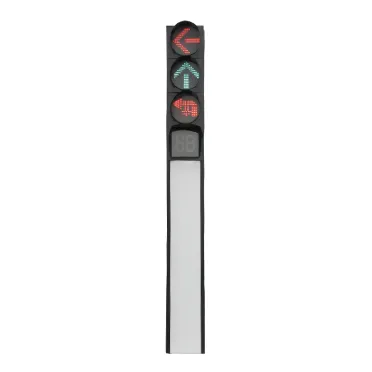

However, if you're handy and willing to learn, you can save a lot of money by doing some of the maintenance tasks yourself. There are plenty of online resources and tutorials that can guide you through the process.
Comparing Maintenance Costs
Now, let's compare the maintenance costs of solar traffic systems with traditional grid - powered traffic systems. Traditional systems don't have the battery and solar panel maintenance costs, but they do have the cost of electricity. Over time, the electricity cost for a grid - powered system can be quite high, especially in areas with high energy prices.
On the other hand, solar traffic systems have a higher upfront cost but lower long - term maintenance and operating costs. Once you've covered the initial investment, the ongoing costs are mainly related to the occasional replacement of components and some basic maintenance tasks.
Conclusion
In conclusion, the maintenance costs of a solar traffic system depend on several factors, including the type of system, the quality of the components, and the environmental conditions. While there are some costs associated with battery replacement, panel cleaning, and component repairs, overall, solar traffic systems are a cost - effective and sustainable solution in the long run.
If you're thinking about investing in a solar traffic system, don't let the maintenance costs scare you. With proper care and regular inspections, you can keep these costs under control. And if you need any help or have questions about solar traffic systems, feel free to reach out. We're here to assist you with all your solar traffic needs. Whether you're looking for Light Up Road Signs, Approaching Traffic Lights, or Flashing Yellow Signal, we've got you covered.
If you're interested in purchasing our solar traffic systems or want to discuss more about maintenance and costs, just get in touch. We're ready to have a chat and help you make the best decision for your traffic management needs.
References
- Solar Energy Industries Association. (2023). Solar Industry Trends and Statistics.
- National Renewable Energy Laboratory. (2023). Technical Report on Solar Traffic Systems.


