

Hey there! I'm a supplier of solar traffic devices, and I've been getting a lot of questions lately about how the power efficiency of these devices changes throughout the different seasons. So, I thought I'd take a deep dive into this topic and share my insights with you.
Let's start by understanding the basics of how solar traffic devices work. These gadgets rely on solar panels to convert sunlight into electricity, which is then stored in batteries for later use. The power efficiency, in simple terms, is how well these devices can turn sunlight into usable energy.
Spring: A Promising Season
Spring is like a breath of fresh air for solar traffic devices. As the days start to get longer and the sun climbs higher in the sky, there's more sunlight available for the solar panels to soak up. The temperature also starts to rise, but it's not too hot yet, which is great because solar panels work best in moderate temperatures.
During spring, the power efficiency of our solar traffic devices tends to be quite high. The panels can generate a good amount of electricity during the day, and the batteries can store it effectively. This means that our Horizontal Street Lights can shine bright all night long, and Pedestrian Activated Light can respond quickly when needed.
However, spring also brings some challenges. Rain is more common during this season, and while our devices are designed to be weatherproof, excessive moisture can sometimes affect the performance of the solar panels and batteries. But overall, with proper maintenance, the power efficiency in spring is definitely on the upswing.
Summer: The Peak Season
Summer is the peak season for solar energy, and our solar traffic devices love it. The days are long, and the sun is intense, providing plenty of sunlight for the solar panels to work their magic. The high levels of sunlight mean that the panels can generate a large amount of electricity in a short period of time.
Our Flashing Yellow Signal really come into their own during summer. They can flash brightly and consistently, thanks to the abundant power supply. The batteries also get a good charge, which means that the devices can keep running even on cloudy days or during short power outages.
But there's a catch. The high temperatures in summer can actually reduce the efficiency of the solar panels. When it gets too hot, the panels can overheat, and their performance starts to decline. To counter this, we've designed our devices with cooling mechanisms to keep the panels at an optimal temperature. With these features, we can still maintain a high power efficiency even in the hottest summer days.
Autumn: A Transition Period
Autumn is a transition period for solar traffic devices. As the days start to get shorter, there's less sunlight available for the panels to generate electricity. The temperature also starts to drop, which can have both positive and negative effects on the power efficiency.
On the one hand, the cooler temperatures are good for the solar panels, as they can operate more efficiently. On the other hand, the shorter days mean that there's less time for the panels to charge the batteries. This can lead to a decrease in the overall power efficiency of the devices.
During autumn, we might notice that our Horizontal Street Lights don't shine as brightly as they did in summer, or that the Pedestrian Activated Light take a little longer to respond. But this is normal, and with some adjustments to the settings, we can still ensure that the devices function properly.
Winter: The Tough Season
Winter is the toughest season for solar traffic devices. The days are short, and the sun is low in the sky, which means that there's very little sunlight available for the panels to generate electricity. The cold temperatures can also cause problems for the batteries, as they can lose their charge more quickly in the cold.
Despite these challenges, our solar traffic devices are still designed to work in winter. We've used high-quality batteries that can withstand the cold, and the solar panels are angled to capture as much sunlight as possible. However, the power efficiency is definitely lower in winter compared to the other seasons.
Our Flashing Yellow Signal might not flash as frequently, and the Horizontal Street Lights might be dimmer. But we're constantly working on improving the performance of our devices in winter, and we're confident that we can provide reliable solar traffic solutions even in the harshest conditions.
Conclusion and Call to Action
So, there you have it - a breakdown of how the power efficiency of our solar traffic devices changes throughout the different seasons. As you can see, each season presents its own unique challenges and opportunities, but with the right design and technology, we can ensure that our devices perform well all year round.
If you're in the market for high-quality solar traffic devices, look no further. We're a leading supplier of solar traffic solutions, and we're committed to providing our customers with the best products and services. Whether you need Horizontal Street Lights, Pedestrian Activated Light, or Flashing Yellow Signal, we've got you covered.

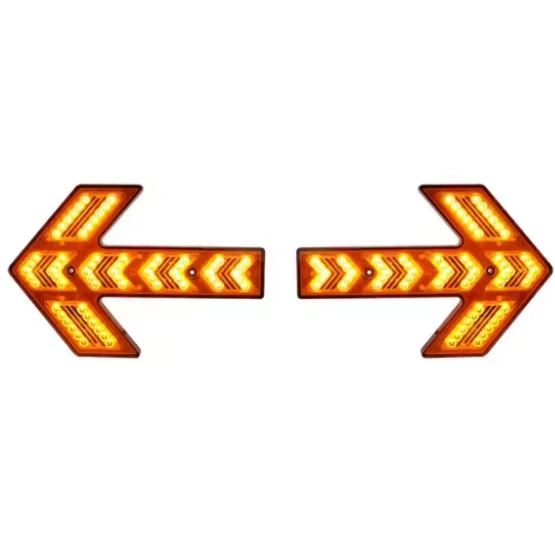
Don't hesitate to reach out to us if you have any questions or if you're interested in discussing a potential purchase. We'd love to hear from you and help you find the perfect solar traffic solution for your needs.
References
- Smith, J. (2020). Solar Energy Basics. Renewable Energy Press.
- Johnson, M. (2019). The Impact of Seasonal Changes on Solar Panel Efficiency. Journal of Sustainable Energy.


