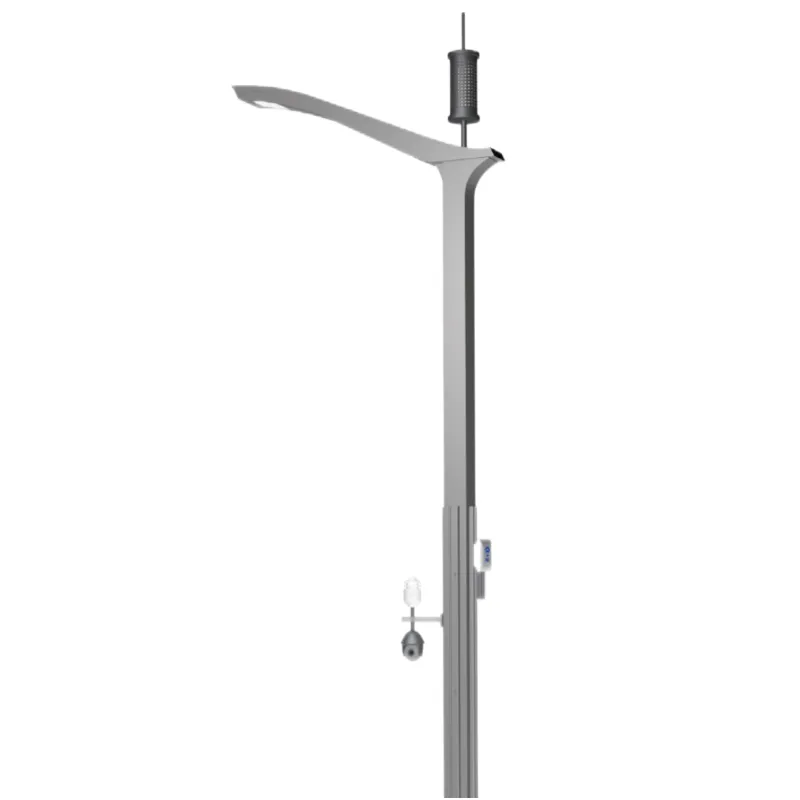
As a supplier of smart street lights, I often get asked about the kind of lighting sources these nifty gadgets use. Smart street lights have come a long way from the traditional street lamps we used to see everywhere. They're not just about lighting up the streets anymore; they're part of a whole smart city infrastructure, offering energy efficiency, remote control, and integration with other urban systems. So, let's dive into the different lighting sources that smart street lights typically rely on.
LED Lighting: The Clear Favorite
By far, the most common lighting source for smart street lights is Light - Emitting Diodes, or LEDs. LEDs have revolutionized the lighting industry, and for good reason.
Energy Efficiency
One of the biggest advantages of LEDs is their energy efficiency. They consume significantly less power compared to traditional lighting sources like high - pressure sodium (HPS) and metal halide lamps. LEDs can convert a higher percentage of electrical energy into light, rather than wasting it as heat. This is a huge plus for smart street lights, as many of them are designed to be part of an energy - saving intelligent system. You can check out Intelligent Street Light Control System to learn more about how these systems work together to save energy.
Long Lifespan
LEDs also have an incredibly long lifespan. They can last up to 50,000 hours or more, which means less frequent replacements. This is not only cost - effective but also reduces maintenance work. For city administrations and property managers, this means fewer disruptions when it comes to maintaining street lighting. And let's face it, less maintenance work on the busy streets is a win - win situation for everyone.
Dimmable and Flexible
Smart street lights often need to be adjustable in terms of brightness. LEDs can be easily dimmed, which allows for dynamic lighting control. For example, during off - peak hours when there are fewer people and vehicles on the streets, the lights can be dimmed to save energy. Then, when sensors detect movement, the lights can brighten up to provide sufficient illumination. This kind of flexibility is crucial for creating a sustainable and user - friendly street lighting environment. You can find out more about the whole concept of Street Light Smart City and how dimmable LEDs fit into it.


Color Temperature Options
LEDs offer a wide range of color temperatures. You can choose warmer colors (like 2700K - 3000K) to create a cozy and inviting atmosphere, or cooler colors (around 5000K - 6500K) for better visibility and a more modern look. This is great for different areas, such as residential neighborhoods, commercial areas, or industrial zones, where the lighting requirements can vary greatly.
High - Pressure Sodium (HPS) Lamps: A Traditional Option
Although LEDs are taking over the market, high - pressure sodium lamps are still used in some smart street light setups, especially in areas where they were already installed and are being retrofitted with smart controls.
High Luminosity
HPS lamps are known for their high luminosity. They can produce a large amount of light, which makes them suitable for lighting up large areas like highways and industrial sites. In the past, they were the go - to option for street lighting because of their ability to provide strong illumination.
Cost - Effective for Existing Installations
If a city or organization already has a network of HPS lamps, it can sometimes be more cost - effective to retrofit them with smart controls rather than replacing them all with LEDs. This way, they can still take advantage of some of the smart features like remote monitoring and scheduling. However, it's important to note that HPS lamps are less energy - efficient than LEDs and have a shorter lifespan.
Metal Halide Lamps: Less Common but Still Out There
Metal halide lamps are another option that was popular in the past but has become less common in modern smart street lighting.
Good Color Rendering
One of the main advantages of metal halide lamps is their good color rendering index (CRI). They can produce light that is closer to natural daylight, which makes colors appear more vibrant and accurate. This can be beneficial in areas where accurate color perception is important, such as in commercial areas or near historical buildings.
Energy and Maintenance Issues
However, metal halide lamps have some significant drawbacks. They are less energy - efficient than LEDs and require more frequent maintenance. The bulbs need to be replaced relatively often, and the ballasts that control the lamps can also be prone to failure. As a result, they are not as popular as LEDs in new smart street light installations.
Other Emerging Lighting Sources
There are also some emerging lighting technologies that could potentially be used in smart street lights in the future.
Organic Light - Emitting Diodes (OLEDs)
OLEDs are a type of LED where the light - emitting layer is made of organic compounds. They offer some unique advantages, such as being flexible and able to emit light from a large, flat surface. This could open up new design possibilities for smart street lights. However, currently, OLEDs are more expensive and have lower efficiency compared to traditional LEDs, which limits their widespread use in street lighting.
Laser - Driven Lighting
Laser - driven lighting is another exciting technology. It can produce extremely bright and focused light, which could be useful for applications where long - distance illumination is required. But like OLEDs, it is still in the early stages of development and is not yet commonly used in smart street lights.
Why Choose Our Smart Street Lights?
As a supplier, we understand the importance of choosing the right lighting source for smart street lights. That's why we offer a range of options, with a strong focus on LED lighting. Our smart street lights are not only energy - efficient and long - lasting but also come with state - of the - art intelligent controls.
We have a team of experts who can help you decide which lighting source and smart features are best suited for your specific needs. Whether you're a city planner looking to upgrade your urban lighting infrastructure or a property developer building a new smart community, we've got you covered.
Our Intelligent Streetlights are designed to be easy to install, operate, and maintain. They can be integrated with existing city systems, such as traffic management and environmental monitoring. And with our remote control and monitoring capabilities, you can manage your street lights from anywhere, at any time.
If you're interested in learning more about our smart street lights or are ready to discuss a potential purchase, don't hesitate to get in touch. We're always happy to have a chat and find the best solution for your lighting needs.
References
- "LED Lighting Handbook" by some lighting experts
- Industry reports on smart street lighting technologies
- Research papers on emerging lighting sources and their applications in urban environments