As a seasoned supplier of Low Mast Lights, I've encountered numerous inquiries regarding their suitability for public squares. This blog aims to delve into the practicality, advantages, and considerations of using low mast lights in such large, open spaces.
Understanding Low Mast Lights
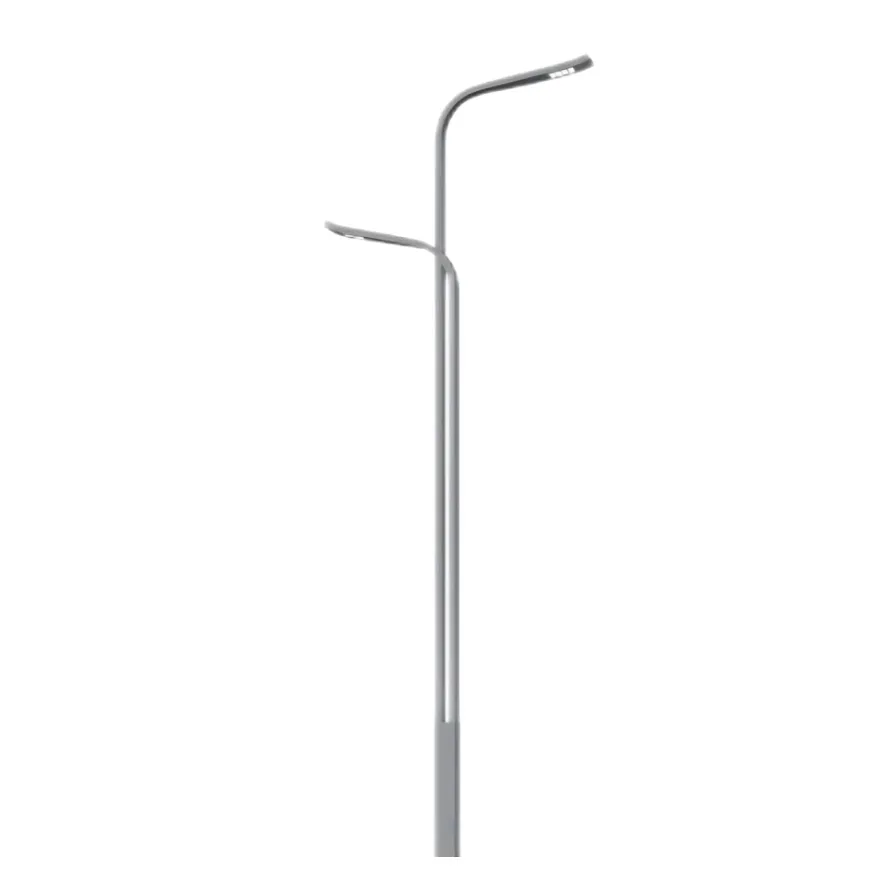
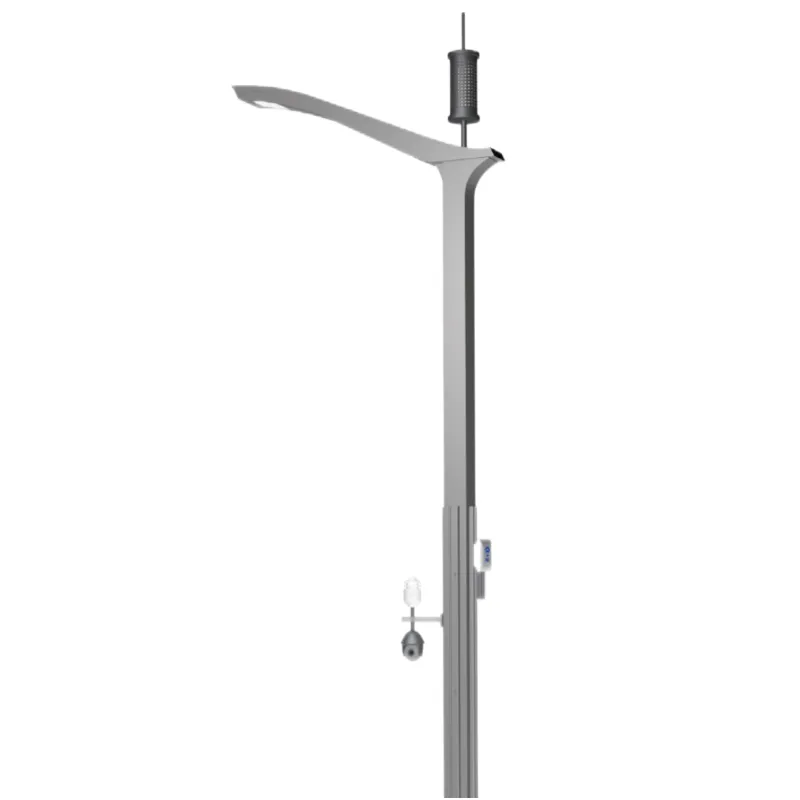
Low mast lights typically range from 2 to 6 meters in height. They are designed to provide focused illumination over a relatively small area. Unlike their taller counterparts, high mast lights, which can reach heights of 20 meters or more and are used to flood large areas with light, low mast lights offer a more intimate and controlled lighting solution.
Advantages of Using Low Mast Lights in Public Squares
1. Enhanced Safety and Security
Low mast lights can be strategically placed around the perimeter of a public square, near entrances, exits, and pedestrian walkways. This targeted lighting reduces the risk of accidents, such as trips and falls, and deters criminal activities by eliminating dark corners. For example, in a well - lit square, people are more likely to feel safe walking alone at night, which encourages public use of the space.
2. Aesthetic Appeal
These lights can add a unique aesthetic touch to a public square. They come in a variety of designs, from modern and minimalist to traditional and ornate. Low mast lights can be used to create a warm and inviting atmosphere, enhancing the overall visual experience for visitors. For instance, decorative low mast lights with intricate patterns can become a focal point in the square, attracting people and making the space more memorable.
3. Energy Efficiency
Low mast lights often use energy - efficient LED technology. LEDs consume less energy than traditional lighting sources, such as incandescent or fluorescent bulbs, and have a longer lifespan. This not only reduces the energy costs associated with lighting the public square but also minimizes the environmental impact. Over time, the savings on energy bills can be significant, making low mast lights a cost - effective choice for municipalities and public authorities.
4. Flexibility in Installation
Due to their relatively low height, low mast lights are easier to install and maintain compared to high mast lights. They can be installed in areas where high mast lights may not be feasible, such as near buildings or in areas with low clearance. Additionally, they can be easily adjusted or repositioned if the lighting needs of the square change over time.
Considerations When Using Low Mast Lights in Public Squares
1. Coverage Area
One of the main limitations of low mast lights is their limited coverage area. In a large public square, multiple low mast lights may be required to achieve adequate illumination. This can increase the initial installation cost and may also require more complex wiring and control systems. It's important to carefully plan the placement of the lights to ensure that there are no dark spots in the square.
2. Light Pollution
Although low mast lights provide focused illumination, improper installation or the use of high - intensity bulbs can still contribute to light pollution. Light pollution can have negative effects on wildlife, astronomy, and human health. When selecting low mast lights for a public square, it's essential to choose fixtures that are designed to minimize light spillage and direct the light only where it's needed.
3. Wind Resistance
Since public squares are often open and exposed to the elements, low mast lights need to be able to withstand strong winds. It's important to choose lights that are made from durable materials and have a stable base. Some low mast lights are designed with aerodynamic features to reduce wind resistance and prevent damage during storms.
Comparison with High Mast Lights
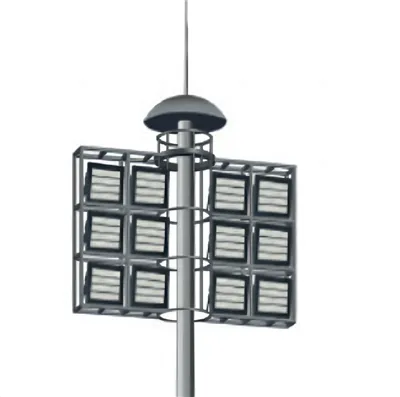
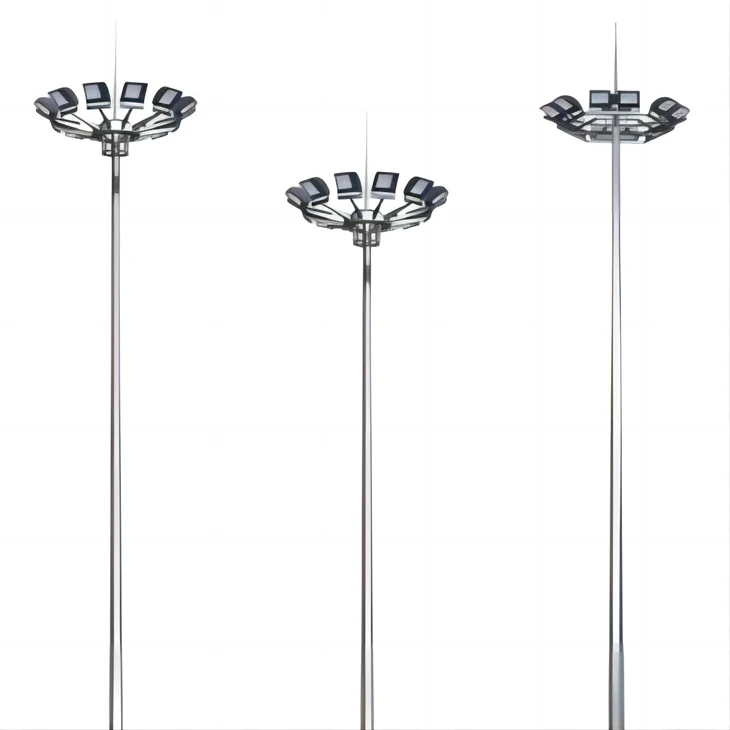
High mast lights, such as the High Mast Pole with Led Flood Lighting System, Solar High Mast Lighting System, and 30m High Mast Lighting, are commonly used in large public areas. They offer wide - area coverage with fewer fixtures, which can be more cost - effective in terms of installation. However, they may not provide the same level of detailed illumination as low mast lights. High mast lights are better suited for illuminating large open areas, such as sports fields or large parking lots, while low mast lights are ideal for creating a more intimate and focused lighting environment in public squares.

Case Studies
In some urban public squares, the combination of low mast lights and high mast lights has been successfully implemented. For example, in a large city square, high mast lights are used to provide general illumination over the entire area, while low mast lights are placed along the walkways and around the seating areas. This approach ensures that the square is well - lit overall, while also creating a cozy and inviting atmosphere in specific areas.
Conclusion
In conclusion, low mast lights can indeed be used in public squares, offering a range of benefits in terms of safety, aesthetics, energy efficiency, and flexibility. While they have some limitations, such as limited coverage area, these can be overcome through careful planning and design. When considering lighting options for a public square, it's important to weigh the advantages and disadvantages of low mast lights against other lighting solutions, such as high mast lights.
If you're interested in exploring the use of low mast lights for your public square or any other project, I encourage you to reach out for a detailed consultation. Our team of experts can help you determine the best lighting solution based on your specific needs and budget. We look forward to the opportunity to work with you and create a well - lit and inviting public space.
References
- Lighting Research Center. (2023). Guidelines for Outdoor Lighting in Public Spaces.
- International Dark - Sky Association. (2023). Best Practices for Reducing Light Pollution.
- Illuminating Engineering Society. (2023). Recommended Lighting Levels for Public Squares.