

When it comes to lighting up our streets, the quality of light plays a crucial role. As a supplier of LED lamp street lights, I've seen firsthand how these modern lighting solutions stack up in terms of light quality. In this blog, I'll break down the key aspects of light quality and compare LED street lights with other traditional options.
Color Rendering Index (CRI)
One of the most important factors in light quality is the Color Rendering Index (CRI). CRI measures how accurately a light source can reproduce the colors of objects compared to natural sunlight. A higher CRI means that colors appear more vivid and true to life.
LED street lights generally have a high CRI, often above 80. This means that they can accurately render colors, making it easier for pedestrians and drivers to distinguish between different objects on the road. For example, a high CRI LED street light can make it easier to see the color of a stop sign or the details of a vehicle's license plate.
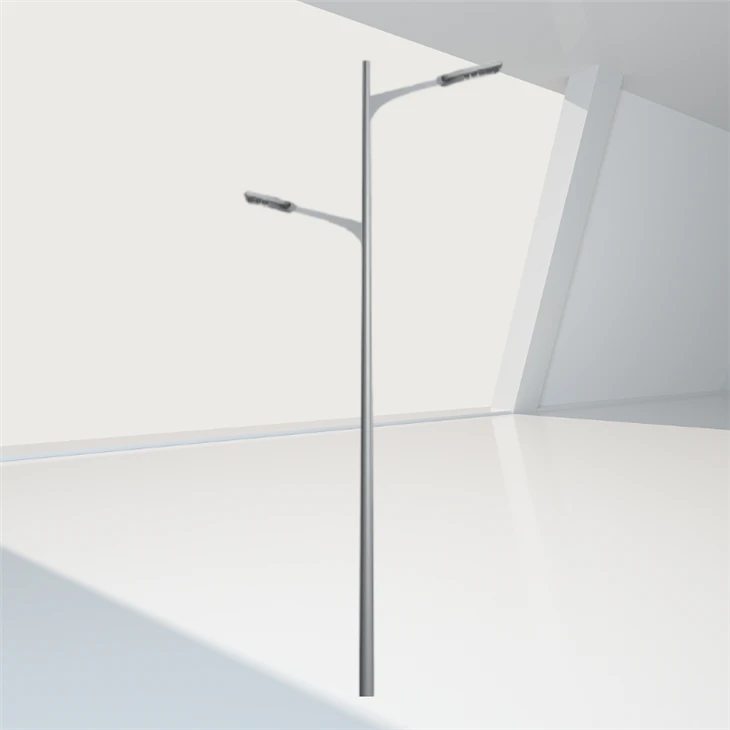

In contrast, traditional street lights like high-pressure sodium (HPS) lamps have a lower CRI, typically around 20-30. This results in a yellowish tint to the light, which can make it difficult to accurately perceive colors. For instance, a red car might appear more orange under an HPS lamp, which could potentially lead to confusion on the road.
Color Temperature
Color temperature is another important aspect of light quality. It is measured in Kelvin (K) and refers to the perceived warmth or coolness of the light. Lower color temperatures (around 2700K-3000K) produce a warm, yellowish light, similar to the light of a traditional incandescent bulb. Higher color temperatures (around 5000K-6500K) produce a cool, bluish light, similar to natural daylight.
LED street lights offer a wide range of color temperatures, allowing you to choose the one that best suits your needs. For example, a warmer color temperature might be more suitable for residential areas, as it creates a more inviting and comfortable atmosphere. On the other hand, a cooler color temperature might be better for commercial areas or roads, as it provides better visibility and can help reduce eye strain.
Traditional street lights, such as HPS lamps, typically have a fixed color temperature, which is usually in the warm range. This can limit their flexibility and make it difficult to achieve the desired lighting effect in different environments.
Uniformity of Light
Uniformity of light refers to how evenly the light is distributed across the area being illuminated. A high level of uniformity is important for ensuring that there are no dark spots or shadows on the road, which can improve safety and visibility.
LED street lights are designed to provide a more uniform distribution of light compared to traditional street lights. This is because LED technology allows for better control over the direction and spread of the light. For example, LED street lights can be equipped with lenses or reflectors to direct the light where it is needed most, reducing light spillage and glare.
In contrast, traditional street lights often have a more uneven distribution of light, which can result in dark spots and shadows on the road. This can make it difficult for pedestrians and drivers to see clearly, especially in areas with poor lighting.
Glare and Flicker
Glare and flicker are two common issues that can affect the quality of light. Glare occurs when the light is too bright or directed in the wrong direction, causing discomfort and reduced visibility. Flicker refers to the rapid on-off cycling of the light, which can cause eye strain and headaches.
LED street lights are designed to minimize glare and flicker. They use advanced optics and control systems to ensure that the light is directed where it is needed and that the intensity is consistent. Additionally, LED lights do not have the same flicker issues as traditional lights, as they operate on direct current (DC) rather than alternating current (AC).
Traditional street lights, such as HPS lamps, are more prone to glare and flicker. This is because they use high-intensity discharge (HID) technology, which can produce a lot of heat and light. The heat can cause the lamp to expand and contract, leading to flicker, while the high intensity of the light can cause glare.
Energy Efficiency
In addition to light quality, energy efficiency is another important factor to consider when choosing street lights. LED street lights are much more energy-efficient than traditional street lights, which can result in significant cost savings over time.
LED lights use up to 80% less energy than traditional street lights, such as HPS lamps. This is because they convert a higher percentage of the electrical energy into light, rather than heat. Additionally, LED lights have a longer lifespan than traditional lights, which means that they need to be replaced less frequently, further reducing maintenance costs.
For example, a 120w Led Solar Street Light can provide the same amount of light as a traditional 400w HPS lamp, but use only a fraction of the energy. This not only saves money on electricity bills but also reduces the environmental impact of the lighting system.
Conclusion
In conclusion, LED lamp street lights offer significant advantages in terms of light quality compared to traditional street lights. They have a higher CRI, a wider range of color temperatures, a more uniform distribution of light, and less glare and flicker. Additionally, they are more energy-efficient and have a longer lifespan, which can result in significant cost savings over time.
If you're in the market for street lights, I highly recommend considering LED technology. Our company offers a wide range of Led Lights Road and 60w Solar Light options to suit your specific needs. Whether you're looking for a high-quality lighting solution for a residential area, a commercial district, or a major road, we have the expertise and products to help you achieve the best results.
If you have any questions or would like to discuss your lighting needs further, please don't hesitate to contact us. We're here to help you make the right choice for your project.
References
- "LED Lighting for Street and Area Applications." U.S. Department of Energy.
- "Color Rendering Index (CRI) and Color Temperature." Lighting Research Center.
- "Energy Efficiency of LED Street Lights." International Energy Agency.


