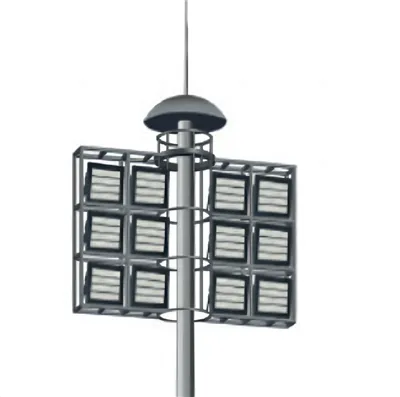
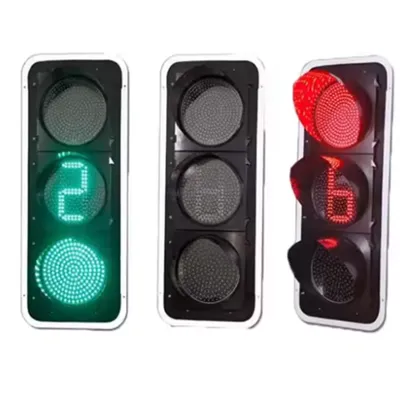
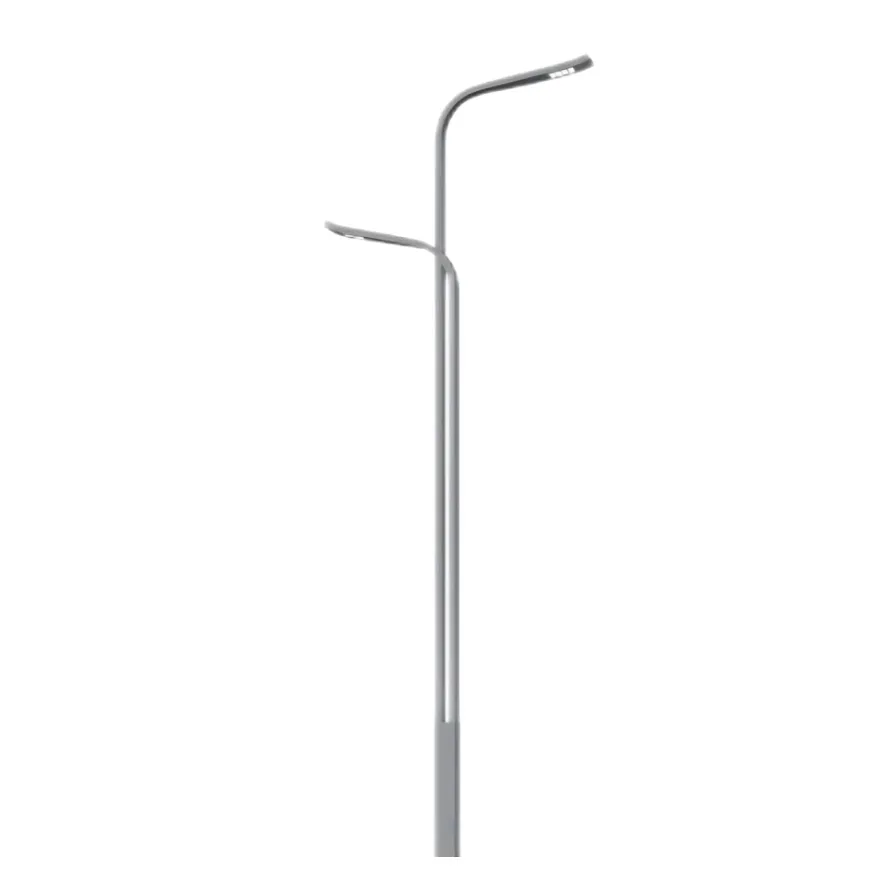
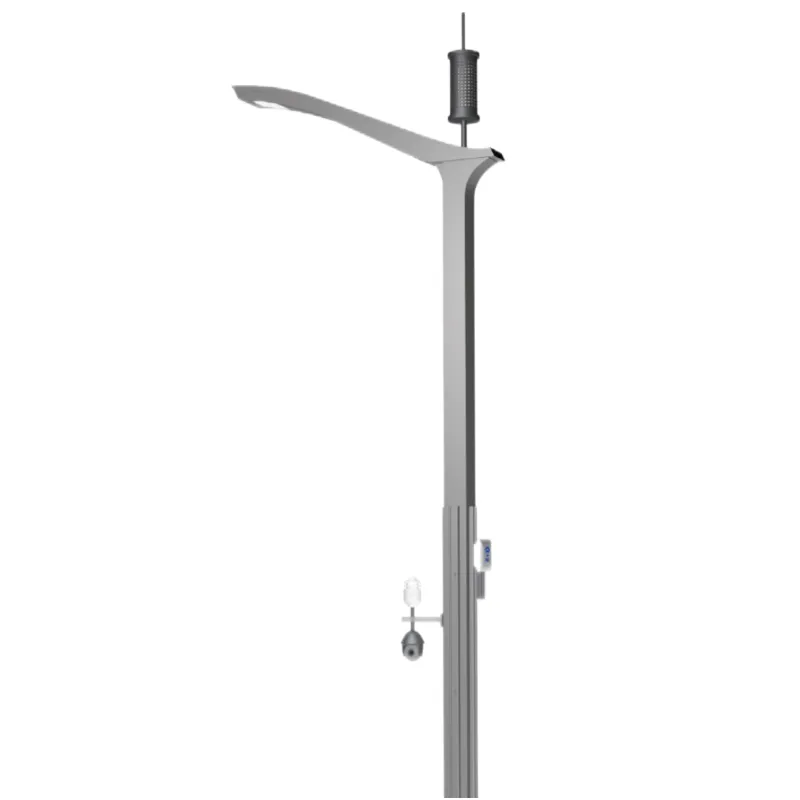
In the era of rapid urbanization and technological advancement, the concept of smart cities has emerged as a solution to enhance the quality of life for urban residents. Smart street lights and smart parking systems are two crucial components of a smart city infrastructure. As a smart street light supplier, I have witnessed firsthand the potential of integrating these two systems to create a more efficient, sustainable, and user - friendly urban environment. In this blog, I will explore how smart street lights interact with smart parking systems.
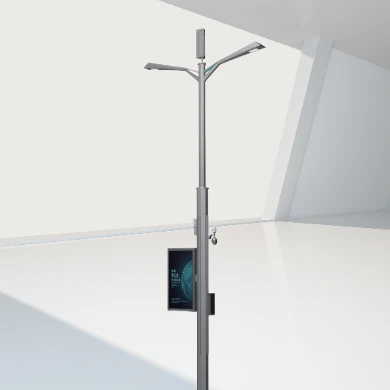
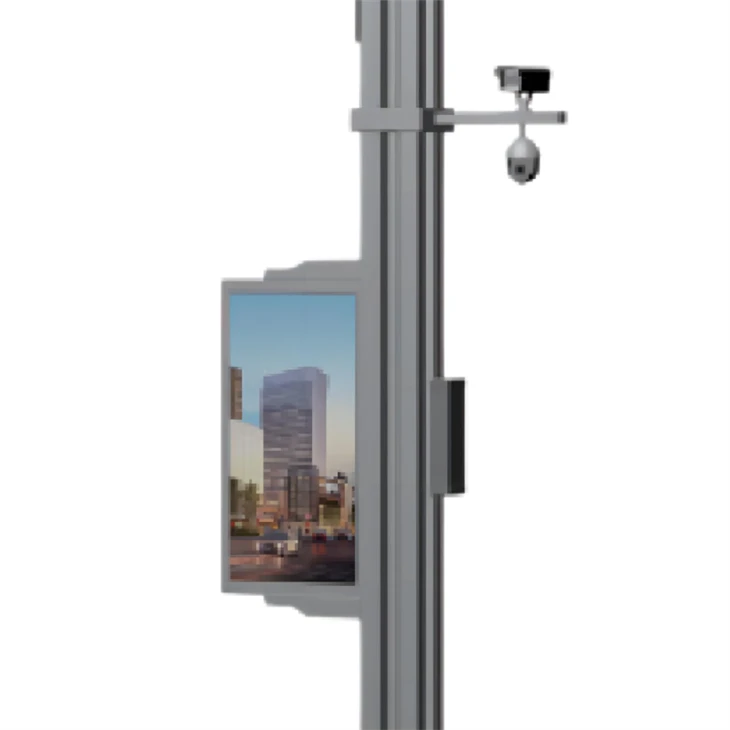
1. The Basics of Smart Street Lights and Smart Parking Systems
Smart street lights are not just ordinary lighting fixtures. They are equipped with advanced sensors, communication modules, and intelligent control systems. These features allow them to adjust their brightness based on ambient light conditions, traffic flow, and pedestrian activity. For example, during late - night hours when there is less traffic and fewer pedestrians, the lights can dim to save energy. Moreover, they can be remotely monitored and controlled, enabling city managers to detect and fix any faults promptly. You can learn more about the capabilities of smart street lights on our Street Light Smart City page.
On the other hand, smart parking systems are designed to alleviate the problem of parking in urban areas. They use sensors, cameras, and software to detect the availability of parking spaces in real - time. This information is then made available to drivers through mobile applications or digital signage, guiding them to the nearest available parking spot. This not only reduces the time and stress associated with finding a parking space but also decreases traffic congestion caused by cars circling around in search of parking.
2. Shared Infrastructure and Connectivity
One of the key ways smart street lights interact with smart parking systems is through shared infrastructure and connectivity. Smart street lights are already installed along streets and roads, which are also the areas where parking spaces are located. These lights can be equipped with additional sensors, such as ultrasonic or infrared sensors, to detect the occupancy of nearby parking spaces.
The communication modules in smart street lights, which are usually based on wireless technologies like ZigBee, LoRa, or Wi - Fi, can transmit the parking occupancy data to a central server. This server can then process the data and distribute it to relevant parties, such as parking management companies, city authorities, and drivers. By leveraging the existing infrastructure of smart street lights, the cost of deploying a smart parking system can be significantly reduced. Our Intelligent Street Lighting System for Smart City provides a reliable and cost - effective platform for this kind of integration.
3. Enhanced Lighting for Parking Areas
Smart street lights can also enhance the functionality of smart parking systems by providing better lighting. In a traditional parking area, the lighting is often static and may not be sufficient in some areas. However, with smart street lights, the lighting can be adjusted according to the occupancy of the parking spaces.
When a car approaches a parking area, the smart street lights can increase their brightness to illuminate the area, making it easier for the driver to park safely. Once the car has parked, the lights can dim slightly to save energy while still maintaining a minimum level of illumination for security purposes. This dynamic lighting control not only improves the user experience but also enhances the safety and security of the parking area. Our Intelligent Street Lighting System offers customizable lighting scenarios to meet the specific needs of different parking areas.
4. Data - Driven Decision Making
The data collected from both smart street lights and smart parking systems can be used for data - driven decision making. For example, the occupancy data from the parking sensors integrated with smart street lights can be analyzed to understand the parking patterns in different areas of the city. City planners can use this information to optimize the allocation of parking spaces, plan new parking facilities, or adjust parking regulations.
In addition, the data on traffic flow and pedestrian activity collected by smart street lights can be combined with the parking occupancy data. This integrated data can provide a more comprehensive view of the urban environment, helping city managers to make more informed decisions about traffic management, infrastructure development, and resource allocation.
5. Improving the User Experience
The interaction between smart street lights and smart parking systems ultimately aims to improve the user experience. For drivers, the real - time information about parking availability provided by the integrated system saves them time and reduces stress. They can easily find a parking space without having to drive around aimlessly.
For pedestrians, the enhanced lighting in parking areas and along the streets makes their journey safer and more comfortable. Moreover, the overall efficiency of the urban transportation system is improved, which benefits all residents of the city.
6. Future Developments
As technology continues to evolve, the interaction between smart street lights and smart parking systems is expected to become even more sophisticated. For example, in the future, smart street lights may be able to communicate directly with autonomous vehicles, guiding them to available parking spaces. Additionally, the integration of artificial intelligence and machine learning algorithms can further optimize the operation of both systems, predicting parking demand and adjusting lighting and parking management strategies accordingly.
7. Contact for Procurement and Collaboration
If you are interested in implementing a smart street light and smart parking system integration in your city or project, I encourage you to contact us. We, as a professional smart street light supplier, have the expertise and experience to provide you with high - quality products and customized solutions. Our team of experts can work with you to design a system that meets your specific requirements and budget. Whether you are a city government, a parking management company, or a real - estate developer, we are ready to collaborate with you to create a smarter and more sustainable urban environment.
References
- Smith, J. (2020). The Future of Smart City Infrastructure. Urban Tech Journal, 15(2), 45 - 56.
- Johnson, A. (2021). Integrating Smart Systems in Urban Areas. Smart City Research, 22(3), 78 - 90.
- Brown, C. (2019). Smart Lighting and Parking Solutions for Urban Mobility. Mobility Insights, 10(1), 12 - 25.