Hey there! As a traffic signs supplier, I've seen my fair share of blunders people make when it comes to traffic signs. It's kind of surprising how many folks don't really get what these signs are all about, and it can lead to some pretty hairy situations on the road. So, let's dive into the common mistakes people make regarding traffic signs.
Ignoring Stop Signs
One of the most blatant mistakes is ignoring stop signs. You'd think it's pretty straightforward – come to a complete stop at the stop line or crosswalk, look both ways, and then proceed when it's safe. But you'd be amazed at how many drivers just roll through stop signs without even fully stopping. It's not only illegal but also extremely dangerous. A full stop gives you time to assess the situation and avoid potential collisions.
I've heard so many stories of near - misses at intersections because someone didn't bother to stop. It's like they think the stop sign is just a suggestion. Well, it's not! Stop signs are there for a reason, to keep everyone safe. If you're in a hurry, that's no excuse. Taking those extra few seconds to stop can prevent a serious accident.
Misinterpreting Yield Signs
Yield signs are another area where people often mess up. A yield sign means you have to give the right - of - way to traffic on the intersecting road. But some drivers seem to think it's the same as a stop sign and come to a complete halt every time, even when there's no traffic. On the other hand, some drivers completely ignore the yield sign and just barrel through the intersection without looking.

The correct way to handle a yield sign is to slow down, check for oncoming traffic, and if it's clear, you can proceed without stopping. But if there's traffic coming, you need to wait until it's safe to enter the intersection. Misinterpreting yield signs can lead to side - impact collisions, which can be pretty nasty.
Not Understanding Speed Limit Signs
Speed limit signs are pretty self - explanatory, right? Well, not for everyone. Some drivers think the speed limit is just a rough guideline and they can go as fast as they want as long as they don't see a cop. This is a huge mistake. Speed limits are set based on the safety of the road, taking into account factors like curves, visibility, and traffic volume.
Going over the speed limit not only increases your chances of getting a ticket but also makes it harder to stop in an emergency. Plus, if you're in an accident while speeding, you're more likely to cause serious damage and injury. And let's not forget about the environmental impact of speeding. Higher speeds mean more fuel consumption and more emissions.
Confusing One - Way Signs
One - way signs can be a real head - scratcher for some people. I've seen cars going the wrong way on one - way streets way too many times. A one - way sign clearly indicates the direction in which traffic should flow. For example, if you see a One Way Right Sign, traffic can only move to the right.
Driving the wrong way on a one - way street is extremely dangerous because you're going against the flow of traffic. It can lead to head - on collisions, which are often the most severe type of accidents. So, it's crucial to pay attention to one - way signs and make sure you're going in the right direction.
Overlooking Warning Signs
Warning signs are there to alert you to potential hazards on the road. They could indicate a sharp curve, a slippery road, a railroad crossing, or a pedestrian crossing. But a lot of drivers just ignore these signs. They think they know the road well enough or that the warning doesn't apply to them.
For example, if there's a sign warning of a sharp curve ahead and you don't slow down, you could easily lose control of your vehicle. Or if you ignore a sign for a pedestrian crossing and a pedestrian steps out, you might not have enough time to stop. Warning signs are there for your safety, so it's important to take them seriously.
Incorrect Use of Parking Signs
Parking signs can be a source of confusion for many people. Some drivers don't read the signs carefully and end up parking in restricted areas. For instance, there might be a sign indicating that parking is only allowed during certain hours, or that it's reserved for disabled people. Ignoring these signs can result in a ticket or even having your car towed.
And then there are those who don't use proper parking aids like Orange Cones for Parking. These cones can help you mark your parking space and prevent other drivers from getting too close to your vehicle. If you're parking in a crowded lot, using cones can make your life a lot easier.
Misreading Weight Limit Signs
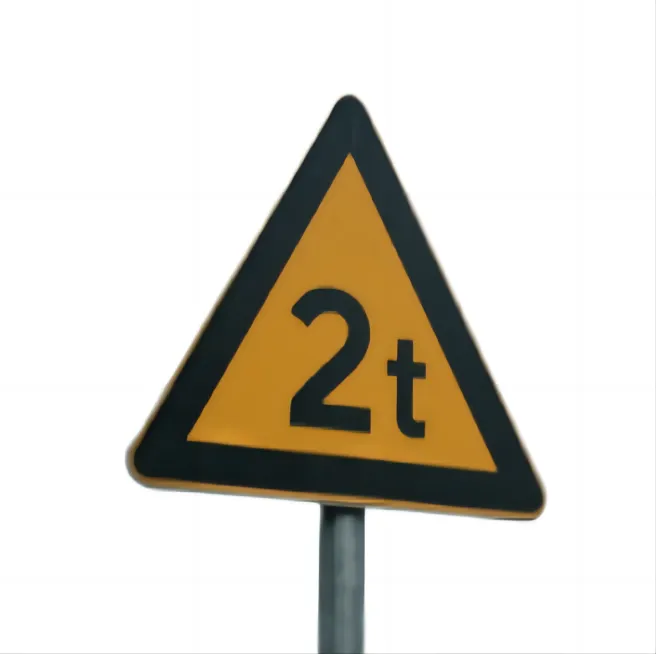
Weight limit signs are crucial, especially for trucks and other large vehicles. These signs indicate the maximum weight that a road or bridge can safely support. Ignoring weight limit signs can cause serious damage to the infrastructure and put everyone on the road at risk.
For example, if a bridge has a 2t Road Sign and a truck that weighs more than 2 tons crosses it, it could cause the bridge to collapse. It's not just about following the law; it's about ensuring the safety of everyone using the road.
Not Keeping Up with New Signs
Traffic signs are constantly evolving. New signs are introduced to address new traffic situations and safety concerns. But a lot of drivers don't keep up with these changes. They rely on their old knowledge and don't take the time to learn about new signs.
This can lead to confusion and mistakes on the road. For example, if there's a new type of intersection control sign, and you don't know what it means, you might make the wrong decision and cause an accident. It's important to stay informed about traffic sign updates.
Conclusion
So, there you have it – some of the most common mistakes people make regarding traffic signs. These mistakes can have serious consequences, from getting a ticket to causing a life - threatening accident. As a traffic signs supplier, I know how important it is for everyone to understand and follow traffic signs.
If you're in the market for traffic signs, whether it's for a construction site, a parking lot, or a public road, I'm here to help. We offer a wide range of high - quality traffic signs that are designed to be clear and visible. Contact us to discuss your specific needs and let's work together to make our roads safer.
References
- Traffic Safety Manuals
- Department of Transportation Publications