Hey there! As a supplier of Solar High Mast Poles, I'm super excited to break down the components of these amazing structures for you. Solar high mast poles are a game - changer in the lighting industry, offering energy - efficient and sustainable lighting solutions for large areas like sports stadiums, ports, and industrial sites. Let's dive right in and take a look at what makes these poles tick.
1. The Solar Panel
The solar panel is the heart of a solar high mast pole. It's like the power plant of the whole system. These panels are made up of photovoltaic cells that convert sunlight into electricity. They're usually mounted on top of the mast or on a nearby structure where they can get maximum sunlight exposure throughout the day.
The type of solar panel used can vary. Monocrystalline solar panels are a popular choice because they're highly efficient and can generate a lot of power even in low - light conditions. Polycrystalline solar panels are also used; they're a bit less efficient but are more affordable. The size and number of solar panels depend on the power requirements of the lighting system. For example, if you have a large - scale project like a big port, you'll need more and larger solar panels to meet the energy needs.


2. The High Mast Pole
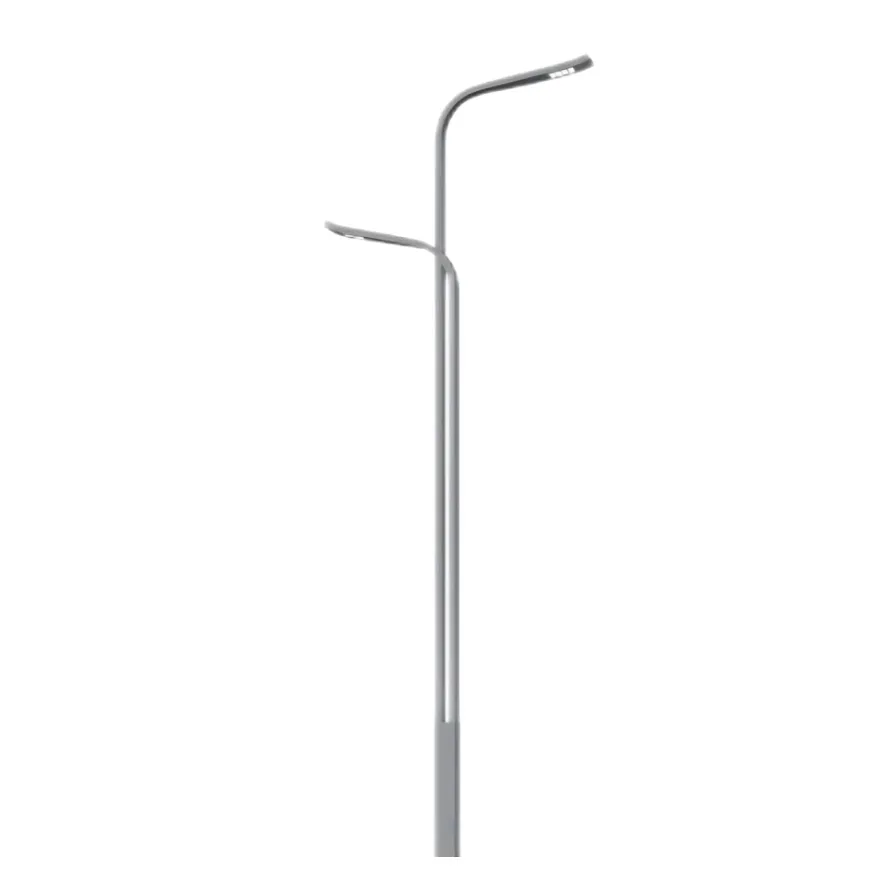
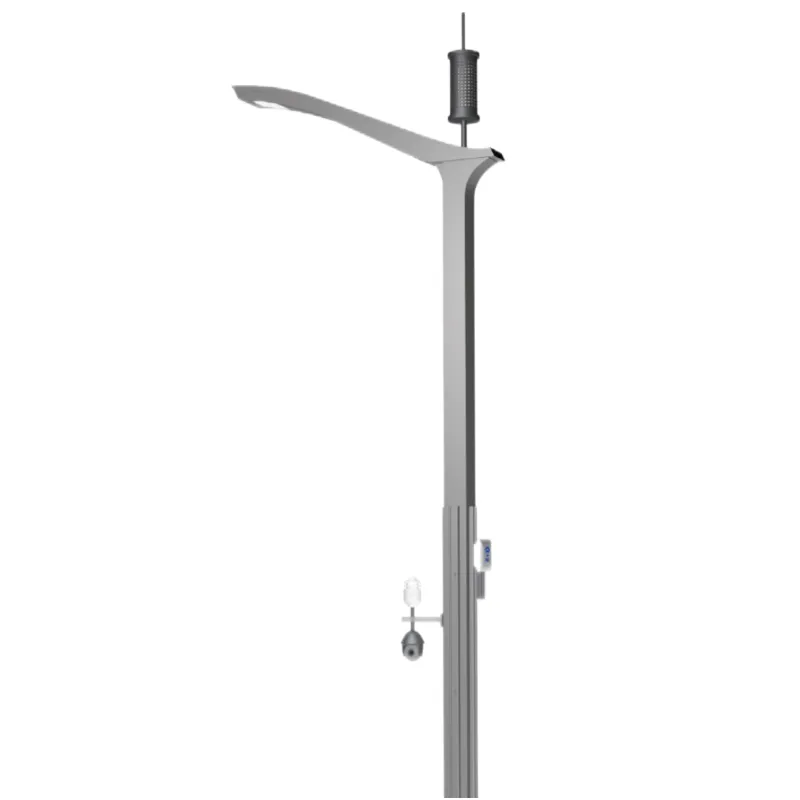
The high mast pole itself is a crucial component. It provides the structural support for all the other parts of the system. These poles are typically made of steel, which is strong and durable. They come in different heights, ranging from 15 meters to 50 meters or even more. The 30m High Mast Lighting is a common choice for many medium - sized applications.
The design of the pole is also important. It needs to be able to withstand various environmental conditions such as strong winds, heavy rain, and even snow. Some poles are tapered, which helps to reduce wind resistance. They're also usually galvanized to prevent rust and corrosion, ensuring a long lifespan.
3. The Battery
The battery is like the energy storage unit of the solar high mast pole system. During the day, when the solar panels are generating electricity, the excess power is stored in the battery. Then, at night, the battery releases this stored energy to power the lights.
There are different types of batteries used in these systems. Lead - acid batteries are a traditional choice. They're relatively inexpensive but have a shorter lifespan compared to some other options. Lithium - ion batteries, on the other hand, are more expensive but offer a longer lifespan, higher energy density, and better performance in extreme temperatures. The size of the battery depends on how much energy needs to be stored. For example, if you live in an area with long winter nights, you'll need a larger battery to ensure continuous lighting.
4. The Charge Controller
The charge controller is a small but very important component. Its main job is to regulate the flow of electricity between the solar panels and the battery. It prevents the battery from overcharging, which can damage the battery and reduce its lifespan. It also protects the battery from under - charging, which can lead to poor performance.
There are two main types of charge controllers: PWM (Pulse Width Modulation) and MPPT (Maximum Power Point Tracking). MPPT charge controllers are more advanced and efficient. They can extract more power from the solar panels, especially in low - light conditions, compared to PWM charge controllers.
5. The High Mast Luminaire
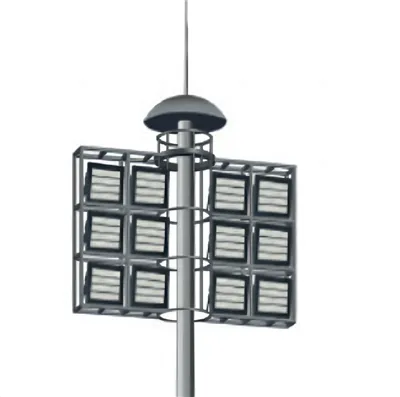
The high mast luminaire is what actually provides the light. These luminaires are designed to cover a large area effectively. They come in different shapes and sizes, and the type of light they emit can vary too. LED luminaires are becoming increasingly popular because they're energy - efficient, have a long lifespan, and can provide high - quality light.
The number of luminaires on a high mast pole depends on the area that needs to be illuminated. For a small sports field, you might only need a few luminaires, but for a large industrial complex, you could have a dozen or more. The distribution of the luminaires on the pole is also carefully planned to ensure even lighting across the area.
6. The Foundation
The foundation of the high mast pole is often overlooked but is extremely important. It provides a stable base for the pole. The type of foundation used depends on the soil conditions at the installation site. For example, in soft soil, a deep - seated foundation might be required to prevent the pole from sinking or tilting.
The foundation is usually made of concrete. It's designed to withstand the weight of the pole, the luminaires, and the other components, as well as any external forces such as wind and seismic activity. A well - designed foundation ensures the safety and stability of the entire solar high mast pole system.
7. The Flood Light Mast
In some cases, a flood light mast is an additional component. It's used to provide focused and intense lighting for specific areas. Flood light masts are often used in sports stadiums to illuminate the playing field. They can be adjusted to direct the light where it's needed most.
These masts are usually smaller than the main high mast pole but are still made of strong materials like steel. They can be attached to the main pole or installed separately, depending on the lighting requirements of the project.
Why Choose Our Solar High Mast Poles?
We take pride in offering high - quality solar high mast poles. Our products are designed with the latest technology and the best materials. We understand that every project is unique, so we offer customized solutions to meet your specific needs. Whether you need a small - scale system for a local park or a large - scale installation for a major port, we've got you covered.
Our team of experts is always ready to assist you from the planning stage to the installation and maintenance. We ensure that our solar high mast poles are not only efficient but also reliable and long - lasting. If you're interested in purchasing solar high mast poles for your project, don't hesitate to get in touch with us. We're looking forward to having a discussion with you about how we can provide the perfect lighting solution for your needs.
References
- "Solar Lighting Systems: Design and Installation Guide" by Smith, John.
- "High Mast Lighting Handbook" by Johnson, Emily.
- Industry reports on solar energy and lighting technologies.