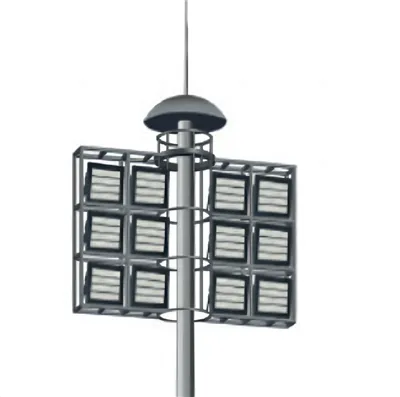
When it comes to high mast lighting in high-altitude areas, there are several crucial installation requirements that must be carefully considered. As a high mast lighting supplier, I have witnessed firsthand the unique challenges and considerations that come with installing these lighting systems in such environments. In this blog post, I will delve into the key installation requirements for high mast lighting in high-altitude areas, providing valuable insights for those looking to undertake such projects.
1. Structural Integrity
One of the primary concerns when installing high mast lighting in high-altitude areas is ensuring the structural integrity of the mast. High-altitude areas are often characterized by strong winds, extreme temperatures, and other environmental factors that can exert significant stress on the mast. Therefore, it is essential to select a mast that is designed to withstand these conditions.
The mast should be made of high-quality materials, such as steel or aluminum, that are resistant to corrosion and fatigue. Additionally, the mast should be designed with a sufficient safety factor to account for the additional loads imposed by high winds and other environmental conditions. For example, in areas with high wind speeds, the mast may need to be designed with a higher wind load capacity to prevent it from toppling over.
In addition to the material and design of the mast, proper installation is also crucial for ensuring its structural integrity. The mast should be installed on a solid foundation that is capable of supporting the weight of the mast and the lighting fixtures. The foundation should be designed to resist the forces exerted by high winds and other environmental conditions, and it should be properly anchored to the ground to prevent it from shifting or settling.
2. Lighting Design
Another important consideration when installing high mast lighting in high-altitude areas is the lighting design. The lighting design should be tailored to the specific needs of the area, taking into account factors such as the size and shape of the area, the type of activities taking place, and the desired level of illumination.
In high-altitude areas, it is often necessary to use high-intensity lighting fixtures to provide sufficient illumination. These fixtures should be selected based on their performance characteristics, such as their luminous intensity, beam angle, and color temperature. Additionally, the lighting fixtures should be designed to be energy-efficient, as high-altitude areas often have limited access to electricity.
The lighting design should also take into account the potential for glare and light pollution. Glare can be a significant problem in high-altitude areas, as the clear skies and low humidity can cause light to scatter more easily. To minimize glare, the lighting fixtures should be designed with shields or reflectors to direct the light downward and reduce the amount of light that is scattered into the sky.
3. Electrical System
The electrical system is another critical component of high mast lighting in high-altitude areas. The electrical system should be designed to provide reliable power to the lighting fixtures, while also ensuring the safety of the installation.
In high-altitude areas, it is often necessary to use a high-voltage electrical system to transmit power over long distances. The electrical system should be designed to withstand the extreme temperatures and environmental conditions that are common in high-altitude areas. Additionally, the electrical system should be properly grounded to prevent electrical shocks and other safety hazards.
The lighting fixtures should be connected to the electrical system using appropriate wiring and connectors. The wiring should be rated for the voltage and current requirements of the lighting fixtures, and it should be installed in a manner that protects it from damage. The connectors should be designed to provide a secure and reliable connection between the lighting fixtures and the electrical system.
4. Maintenance and Inspection
Regular maintenance and inspection are essential for ensuring the long-term performance and safety of high mast lighting in high-altitude areas. The lighting fixtures and the mast should be inspected regularly to check for signs of damage or wear, and any issues should be addressed promptly.
The lighting fixtures should be cleaned regularly to remove dirt, dust, and other debris that can reduce their performance. Additionally, the lighting fixtures should be tested periodically to ensure that they are functioning properly. The mast should also be inspected regularly to check for signs of corrosion, damage, or other issues that could affect its structural integrity.
In addition to regular maintenance and inspection, it is also important to have a plan in place for emergency repairs. In the event of a power outage or other emergency, the lighting system should be able to be quickly restored to ensure the safety of the area.
5. Environmental Considerations
Finally, it is important to consider the environmental impact of high mast lighting in high-altitude areas. High-altitude areas are often home to sensitive ecosystems and wildlife, and it is important to minimize the impact of the lighting system on these environments.


The lighting fixtures should be designed to minimize light pollution and glare, as these can have a negative impact on wildlife and the environment. Additionally, the lighting system should be designed to be energy-efficient, as this can help to reduce the carbon footprint of the installation.
In some cases, it may be necessary to obtain permits or approvals from local authorities before installing high mast lighting in high-altitude areas. These permits may be required to ensure that the installation complies with local regulations and environmental standards.
In conclusion, installing high mast lighting in high-altitude areas requires careful consideration of several key factors, including structural integrity, lighting design, electrical system, maintenance and inspection, and environmental considerations. As a high mast lighting supplier, I am committed to providing high-quality lighting solutions that meet the unique needs of high-altitude areas. If you are interested in learning more about our Outdoor Mast Light, High Mast Light With Winch, or 25m High Mast Lighting products, or if you have any questions about the installation requirements for high mast lighting in high-altitude areas, please do not hesitate to contact us. We would be happy to discuss your specific needs and provide you with a customized solution.
References
- "High Mast Lighting Design and Installation Guidelines," National Lighting Bureau.
- "Structural Design of High Mast Lighting Systems," American Society of Civil Engineers.
- "Lighting for High-Altitude Areas: Considerations and Best Practices," Lighting Research Center.