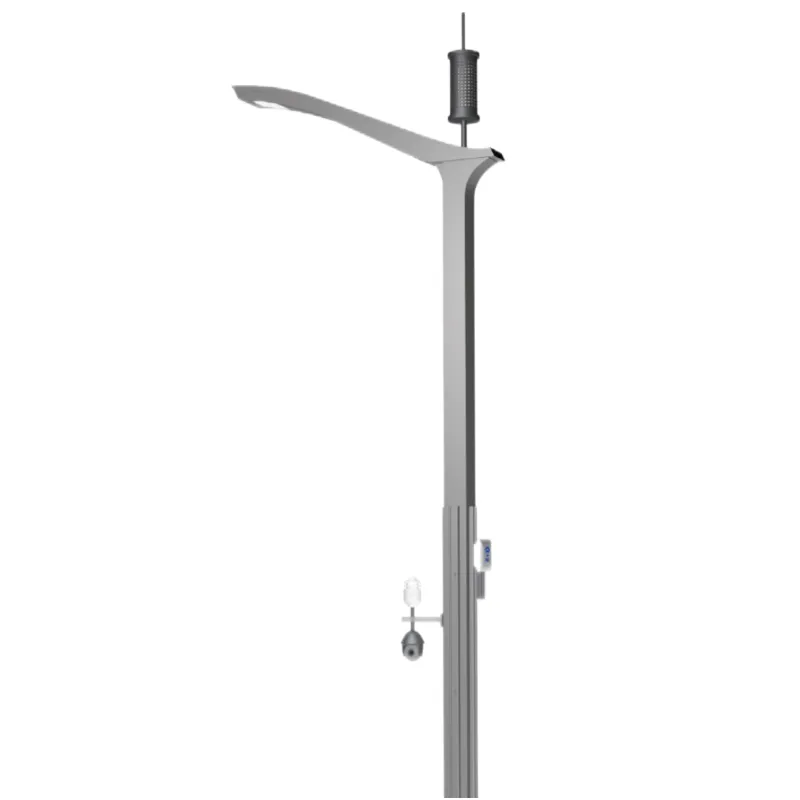
As a leading supplier of LED landscape lamps, I often get asked about the available colors for these lighting fixtures. The color options for LED landscape lamps are quite diverse, and they play a crucial role in creating the desired ambiance and functionality in outdoor spaces. In this blog post, I'll explore the various colors available for LED landscape lamps, their applications, and how they can transform your outdoor environment.


White Light
White light is perhaps the most common and versatile color option for LED landscape lamps. It comes in different temperature ranges, which can have a significant impact on the mood and functionality of the lighting.
- Warm White (2700K - 3000K): This color temperature emits a soft, yellowish light that resembles traditional incandescent bulbs. Warm white light creates a cozy and inviting atmosphere, making it ideal for residential gardens, patios, and pathways. It can also enhance the natural beauty of plants and flowers, giving them a warm and welcoming glow.
- Neutral White (3500K - 4000K): Neutral white light has a balanced color temperature that is neither too warm nor too cool. It provides a clean and bright illumination that is suitable for both residential and commercial applications. Neutral white light is often used in areas where visibility is important, such as driveways, parking lots, and public parks.
- Cool White (5000K - 6500K): Cool white light has a bluish tint that creates a bright and energetic atmosphere. It is commonly used in areas where high visibility is required, such as sports fields, industrial sites, and security lighting. Cool white light can also be used to create a modern and contemporary look in outdoor spaces.
Color Changing Lights
Color changing LED landscape lamps offer a dynamic and customizable lighting solution that can transform your outdoor space into a vibrant and colorful environment. These lamps can be programmed to change colors, create patterns, and synchronize with music or other lighting effects.
- RGB (Red, Green, Blue) Lights: RGB lights are the most common type of color changing LED landscape lamps. They use a combination of red, green, and blue LEDs to create a wide range of colors. RGB lights can be controlled manually using a remote control or programmed to change colors automatically using a timer or a music synchronization feature.
- RGBW (Red, Green, Blue, White) Lights: RGBW lights are an upgraded version of RGB lights that include a white LED in addition to the red, green, and blue LEDs. The white LED provides a pure white light that can be used for general illumination or combined with the other colors to create a wider range of color combinations. RGBW lights are more versatile than RGB lights and can be used in a variety of applications, including landscape lighting, architectural lighting, and stage lighting.
- DMX (Digital Multiplex) Lights: DMX lights are a professional-grade color changing LED landscape lamps that are commonly used in large-scale lighting installations, such as theme parks, concert venues, and commercial buildings. DMX lights can be controlled using a DMX controller, which allows for precise control of the color, intensity, and timing of the lighting effects.
Other Color Options
In addition to white light and color changing lights, there are also other color options available for LED landscape lamps. These colors can be used to create specific effects or to enhance the natural beauty of the outdoor environment.
- Amber Light: Amber light has a warm and inviting color that is similar to the color of a sunset. It is commonly used in areas where a soft and relaxing atmosphere is desired, such as gardens, courtyards, and outdoor seating areas. Amber light can also be used to attract insects, making it a popular choice for bug zappers and other insect control devices.
- Blue Light: Blue light has a calming and soothing effect that is often used in areas where relaxation and stress relief are important, such as spas, meditation gardens, and swimming pools. Blue light can also be used to create a cool and refreshing atmosphere in outdoor spaces.
- Green Light: Green light has a natural and refreshing color that is similar to the color of plants and foliage. It is commonly used in areas where a natural and organic look is desired, such as gardens, parks, and nature reserves. Green light can also be used to attract certain types of insects, such as moths and butterflies.
Applications of Different Colors
The choice of color for LED landscape lamps depends on the specific application and the desired effect. Here are some common applications of different colors in outdoor lighting:
- Residential Landscaping: In residential landscaping, warm white light is often used to create a cozy and inviting atmosphere in gardens, patios, and pathways. Color changing lights can be used to add a touch of fun and excitement to outdoor spaces, especially during parties and special events. Amber light can be used to create a soft and relaxing atmosphere in outdoor seating areas, while blue light can be used to create a cool and refreshing atmosphere in swimming pools and spas.
- Commercial Landscaping: In commercial landscaping, neutral white light is often used to provide a clean and bright illumination in parking lots, driveways, and public areas. Color changing lights can be used to create a dynamic and eye-catching display in front of commercial buildings, such as hotels, restaurants, and shopping malls. Cool white light can be used to provide high visibility in industrial sites and security lighting, while green light can be used to enhance the natural beauty of parks and nature reserves.
- Architectural Lighting: In architectural lighting, white light is often used to highlight the architectural features of buildings, such as facades, columns, and windows. Color changing lights can be used to create a dramatic and dynamic lighting effect on the exterior of buildings, especially at night. Blue light can be used to create a modern and contemporary look in urban areas, while amber light can be used to create a warm and inviting atmosphere in historic buildings and landmarks.
Conclusion
The color options for LED landscape lamps are vast and diverse, offering endless possibilities for creating unique and customized outdoor lighting solutions. Whether you're looking to create a cozy and inviting atmosphere in your backyard, a dynamic and eye-catching display in front of your business, or a dramatic and dramatic lighting effect on the exterior of your building, there's an LED landscape lamp color that's right for you.
As a supplier of LED landscape lamps, I have a wide range of products available in different colors, styles, and sizes to meet your specific needs and preferences. If you're interested in learning more about our LED landscape lamps or would like to discuss your lighting project with one of our experts, please don't hesitate to contact us. We'd be happy to help you create the perfect outdoor lighting solution for your home or business.
References
- "LED Lighting Basics." Energy Star. https://www.energystar.gov/products/lighting_fans/led_light_bulbs/led_lighting_basics
- "Color Temperature in Lighting." Lighting Research Center. https://www.lrc.rpi.edu/programs/nlpip/lightinganswers/colortemp.asp
- "RGB Lighting: A Guide to Understanding and Using RGB Lights." All About Circuits. https://www.allaboutcircuits.com/technical-articles/rgb-lighting-a-guide-to-understanding-and-using-rgb-lights/