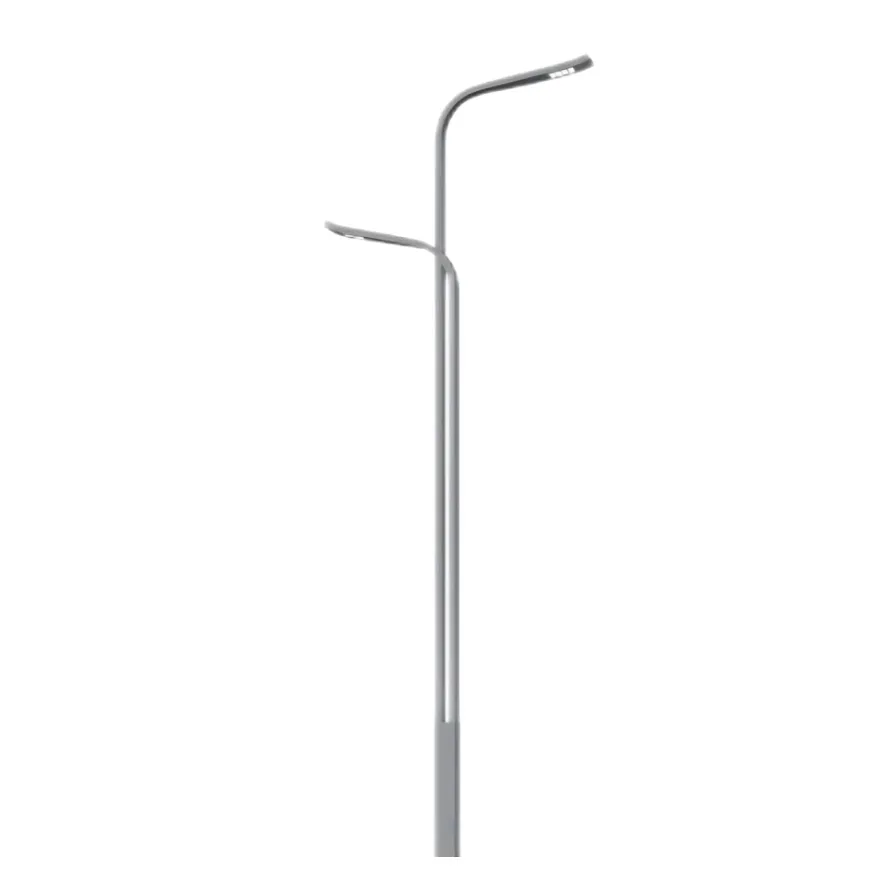
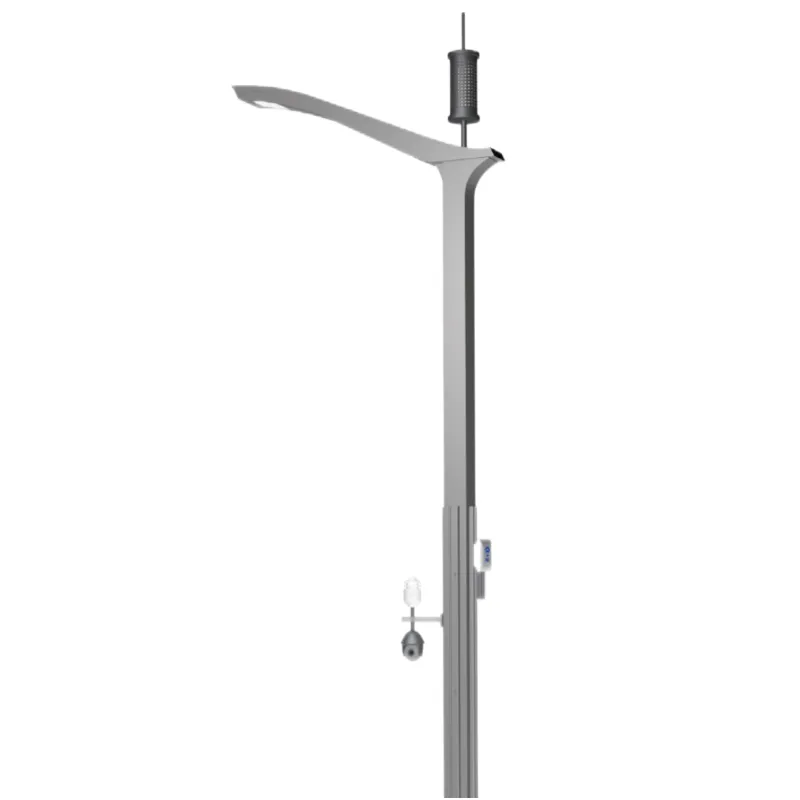
Hey there! As a supplier of LED solar street lights, I've seen firsthand how different weather conditions can have a huge impact on these lights. In this blog, I'll break down how various weather scenarios can affect LED solar street lights and what you can do to ensure they keep shining bright.
Let's start with the sunniest of all weather conditions - clear sunny days. This is the ideal weather for LED solar street lights. The solar panels on these lights are designed to soak up sunlight and convert it into electricity. On a clear sunny day, they can get a full charge, storing up enough energy to power the lights throughout the night. The more sunlight the panels receive, the more energy they can generate and store. This means that on a sunny day, your LED solar street lights are likely to be at their brightest and most efficient. They'll provide consistent and reliable lighting, which is great for safety and security on streets, sidewalks, and other public areas. If you're looking for top - notch solar LED lights for your streets, check out Solar Led Lights for Street.
Now, what about cloudy days? Cloudy weather can be a bit of a challenge for LED solar street lights. When the sky is overcast, the amount of sunlight reaching the solar panels is significantly reduced. This means that the panels won't be able to generate as much electricity as they would on a sunny day. As a result, the lights might not get a full charge, and their brightness could be affected. They may still come on at night, but they might not be as bright as usual. However, modern LED solar street lights are designed to be quite efficient, and some can still function reasonably well even on cloudy days. Some models have larger solar panels or more advanced battery storage systems that can help them cope with less sunlight. If you're in an area with frequent cloudy weather, you might want to consider a Hybrid Street Light. These lights can switch between solar power and grid power, ensuring that you always have reliable lighting.
Rainy days also pose some issues for LED solar street lights. First of all, heavy rain can block sunlight from reaching the solar panels, similar to cloudy weather. But there's also the problem of water damage. The solar panels and the light fixtures need to be properly sealed to prevent water from getting inside. If water seeps into the electrical components, it can cause short - circuits and damage the lights. Most high - quality LED solar street lights are designed to be waterproof, but it's still important to choose lights that have a good waterproof rating. After a heavy rain, it's a good idea to check the lights to make sure there are no signs of water damage. If you're in a rainy area, make sure to pick a durable Led Road Lamp that can withstand the elements.


Snow is another weather condition that can affect LED solar street lights. A thick layer of snow on the solar panels can completely block sunlight, preventing the panels from generating electricity. This means that the lights won't get charged during snowy days. Additionally, the weight of the snow can put stress on the solar panels and the mounting brackets, potentially causing damage. To deal with snow, some solar panels are designed with a tilted angle to help the snow slide off more easily. You can also manually remove the snow from the panels if it's safe to do so.
Extreme heat can also take a toll on LED solar street lights. High temperatures can cause the batteries in the lights to degrade faster. Batteries are a crucial part of the system as they store the energy generated by the solar panels. When it's too hot, the chemical reactions inside the batteries can speed up, reducing their lifespan. Also, the LED bulbs themselves can be affected by heat. They might become less efficient and their color temperature could change. To mitigate the effects of extreme heat, make sure the lights are installed in a well - ventilated area. Some advanced LED solar street lights have built - in cooling systems to help keep the components at a safe temperature.
On the other hand, extremely cold weather can also be a problem. Cold temperatures can reduce the efficiency of the batteries. The chemical reactions inside the batteries slow down in the cold, which means they can't deliver as much power. This can lead to dimmer lights or even cause the lights to turn off earlier than usual. Some batteries are designed to perform better in cold weather, so it's important to choose lights with the right type of battery if you live in a cold climate.
So, what can you do to make sure your LED solar street lights perform well in different weather conditions? First of all, choose high - quality lights from a reliable supplier. Look for lights that have a good waterproof rating, are designed to handle different temperatures, and have efficient solar panels and batteries. Regular maintenance is also key. Check the lights regularly for any signs of damage, such as cracks in the panels or water inside the fixtures. Clean the solar panels periodically to remove dirt, dust, and debris, as these can also block sunlight.
If you're in the market for LED solar street lights, whether you need them for a small residential area or a large commercial project, I'd love to help you out. We offer a wide range of products that are designed to withstand various weather conditions and provide long - lasting, energy - efficient lighting. Don't hesitate to reach out if you have any questions or if you're ready to start a purchase. We can discuss your specific needs and find the perfect solution for you.
In conclusion, different weather conditions can have a significant impact on LED solar street lights. But with the right choice of products and proper maintenance, you can ensure that your lights continue to provide reliable and efficient lighting no matter what the weather throws at them.
References
- General knowledge about solar energy and LED lighting technology from industry experience.
- Research on the performance of LED solar street lights in different weather conditions from industry reports.