In the modern world, LED IP66 street lights have emerged as a popular lighting solution for outdoor areas due to their energy - efficiency, long lifespan, and high - performance illumination. As a supplier of LED IP66 street lights, I've received numerous inquiries about the impact of salt spray on these lighting fixtures. In this blog post, I'll delve into the effects of salt spray on LED IP66 street lights from multiple aspects.
Understanding LED IP66 Street Lights
Before exploring the influence of salt spray, let's briefly understand what LED IP66 street lights are. The "IP" in IP66 stands for "Ingress Protection", and it is a standard system that describes the degree of protection provided by an enclosure. The first digit "6" indicates that the enclosure is completely protected against the ingress of dust. The second digit "6" means that it is protected against powerful water jets from all directions, which implies that these lights are suitable for outdoor environments, including rainy and windy conditions.
LED (Light - Emitting Diode) technology offers significant advantages over traditional lighting solutions such as incandescent and fluorescent lights. LEDs are highly energy - efficient, consuming up to 80% less energy than traditional bulbs. They also have a much longer lifespan, often lasting tens of thousands of hours, which reduces maintenance costs.
The Nature of Salt Spray
Salt spray is a common environmental factor in coastal areas. It consists of tiny droplets of seawater that are carried into the air by wind and waves. These droplets contain a high concentration of salts, mainly sodium chloride, along with other minerals. When salt spray comes into contact with various objects, including LED IP66 street lights, it can cause several problems.
Corrosion of Metal Components
One of the most significant impacts of salt spray on LED IP66 street lights is the corrosion of metal components. Most LED street lights have metal parts, such as the housing, brackets, and electrical connectors. Salt spray creates an electrolytic environment when it deposits on these metal surfaces. The salt water acts as an electrolyte, and the metal in the presence of oxygen and moisture undergoes an oxidation - reduction reaction, which is commonly known as corrosion.
For example, the zinc - coated steel brackets that hold the LED lamp may start to show signs of rust. As the corrosion progresses, the structural integrity of these components can be compromised. A badly corroded bracket may become weak and could eventually fail, causing the street light to fall. This not only poses a safety hazard but also results in additional costs for replacement.
Effects on Electrical Connections
Salt spray can also have a detrimental effect on the electrical connections within the LED street light. The salt deposits can lead to an increase in electrical resistance at the connection points. When the resistance increases, the electrical current passing through these connections may encounter difficulties, resulting in power loss, uneven lighting, or even complete failure of the light.
Moreover, the conductive nature of the salt can cause short - circuits if the salt accumulates in places where it shouldn't be, such as on the printed circuit boards (PCBs) inside the LED driver. A short - circuit can damage the sensitive electronic components on the PCB, rendering the entire LED driver inoperable.
Impact on Optical Performance
The optical performance of LED IP66 street lights can also be affected by salt spray. The salt deposits on the lens or cover of the LED light can scatter the light, reducing the light output and uniformity. This means that the area illuminated by the street light may not receive the intended level of brightness, affecting visibility and safety on the roads or in public areas.
In addition, over time, the salt - induced corrosion on the internal reflective surfaces of the light fixture can decrease the light reflection efficiency. This further contributes to the degradation of the overall lighting performance.
How Our LED IP66 Street Lights Are Designed to Resist Salt Spray
As a supplier, we are well - aware of the challenges posed by salt spray. Our LED IP66 street lights are engineered with several features to enhance their resistance to this harsh environment:
-
Advanced Coating Technologies: We apply special anti - corrosion coatings to the metal components of our street lights. These coatings act as a barrier between the metal and the salt - containing environment, preventing the salt spray from directly contacting the metal surface.
-
Sealed Enclosures: Our IP66 - rated enclosures are designed to provide a high level of protection against the ingress of salt spray. The tight seals prevent the salt - laden water droplets from entering the internal components of the light, safeguarding the electrical connections and the LED chips.

-
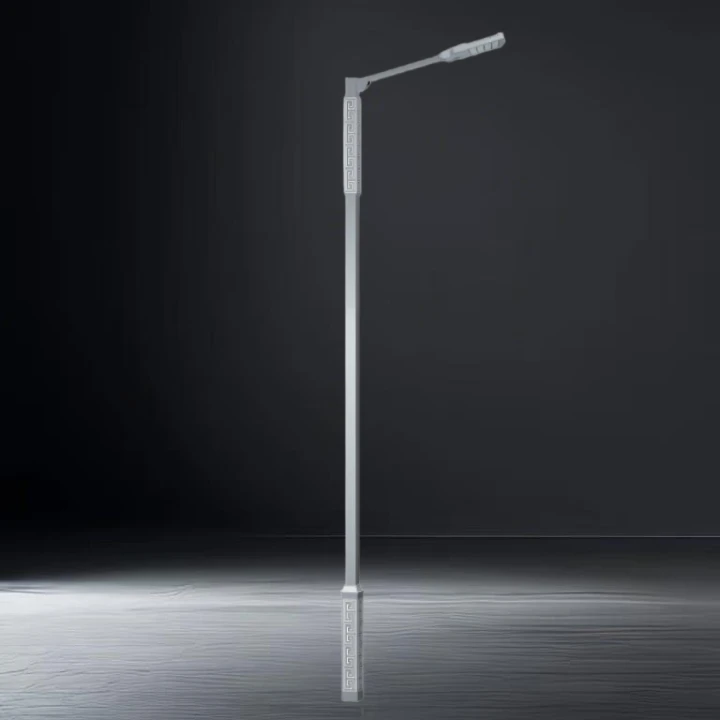
High - Quality Materials: We use high - quality materials for all parts of our street lights. For example, the PCBs are made with materials that have good resistance to moisture and salt corrosion. The lenses are also made of durable and scratch - resistant materials that can withstand the long - term exposure to salt spray.
Our Product Range
We offer a wide range of LED IP66 street lights to meet different customer needs. Here are some of our popular products:
- 70w Led Street Light: This is a highly efficient street light suitable for medium - sized roads and parking lots.
- 80 Watt Solar Street Light: Ideal for areas where there is abundant sunlight, this solar - powered light combines energy - efficiency with environmental friendliness.
- Solar Led Lights for Street: Our solar - powered LED street lights are designed to provide reliable illumination with minimal energy consumption.
- 100 Watt Led Solar Street Light: This high - power solar street light is perfect for large - scale outdoor areas, such as highways and industrial sites.
- 120w Led Solar Street Light: With its powerful illumination, it can effectively light up wide and long streets.
Conclusion and Call to Action
In conclusion, salt spray can have a significant impact on LED IP66 street lights, including corrosion of metal components, damage to electrical connections, and degradation of optical performance. However, our well - designed LED IP66 street lights are equipped with features to resist these effects, ensuring long - term reliability and high - quality illumination.
If you are in the market for LED street lights, especially for applications in coastal or salt - prone areas, we invite you to contact us for procurement and further discussions. Our team of experts is ready to provide you with detailed product information and customized solutions to meet your specific requirements. Let us work together to create well - illuminated and safe outdoor spaces.
References
- "LED Lighting Handbook", 2nd Edition, by Arnold D. Schwartz
- "Corrosion Engineering: Principles and Practice", by Pierre R. Roberge
- "The Basics of Ingress Protection (IP) Ratings", published by the International Electrotechnical Commission (IEC)