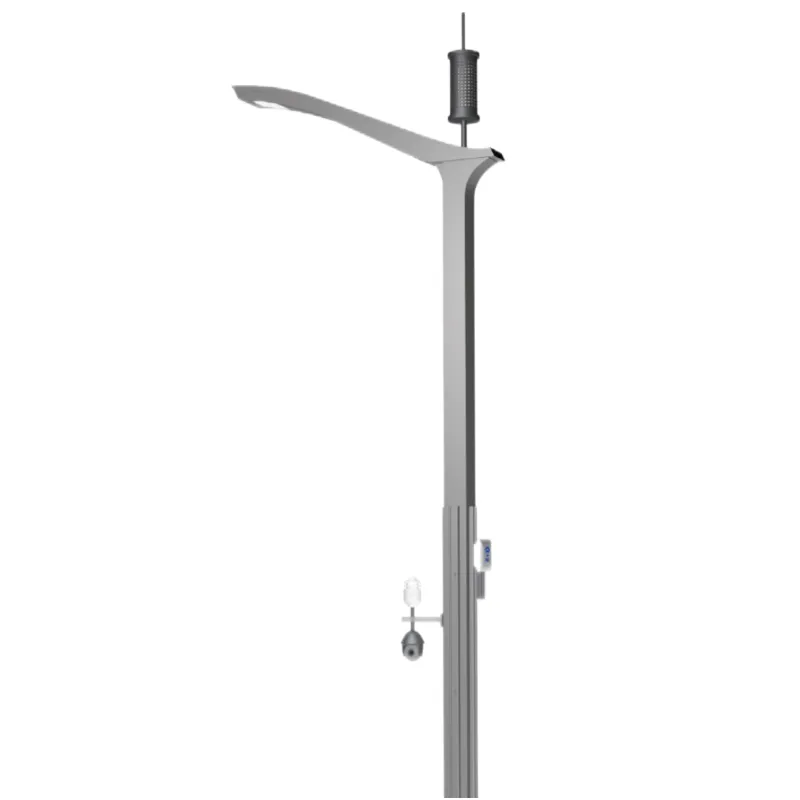
As a high mast lighting supplier, I've witnessed firsthand the transformative power of these towering luminaires in various settings, from large industrial complexes to expansive sports arenas. High mast lighting systems are not just about illumination; they're about enhancing safety, improving visibility, and creating a secure environment. However, to ensure these systems continue to perform at their best, regular maintenance is crucial. In this blog, I'll delve into the maintenance requirements for high mast lighting, offering insights and tips based on my experience in the industry.
Understanding High Mast Lighting
Before we dive into maintenance, let's briefly understand what high mast lighting is. High mast lighting typically consists of a tall pole, often ranging from 20 to 40 meters, equipped with multiple light fixtures at the top. These fixtures are designed to provide wide - area illumination, covering large spaces such as ports, highways, and large parking lots. There are different types of high mast lighting available, like the 25m High Mast Lighting, Lighting High Mast, and 30m High Mast Lighting, each tailored to specific needs and applications.
Routine Inspections
Regular inspections are the cornerstone of high mast lighting maintenance. These inspections should be carried out at least twice a year, but more frequent checks may be required in harsh environments or areas with high - traffic.
- Visual Inspection: Start with a visual inspection of the entire high mast lighting system. Check the pole for signs of corrosion, cracks, or damage. Look for any loose or missing bolts, nuts, or other fasteners. The integrity of the pole is crucial as it supports the weight of the light fixtures and must withstand various weather conditions.
- Fixture Inspection: Examine each light fixture closely. Look for broken lenses, damaged reflectors, or signs of water ingress. Water inside the fixture can cause electrical problems and reduce the lifespan of the bulbs. Also, check the alignment of the fixtures to ensure that the light is being distributed evenly across the area.
- Electrical System Inspection: Inspect the electrical wiring, connections, and controllers. Look for frayed wires, loose connections, or signs of overheating. Faulty electrical components can lead to power outages, flickering lights, or even pose a safety hazard. Make sure all grounding connections are secure and in good condition.
Cleaning
Cleaning is an often - overlooked but essential part of high mast lighting maintenance. Dirt, dust, and debris can accumulate on the light fixtures and lenses, reducing the amount of light output.
- Fixture Cleaning: Use a soft brush or cloth to gently clean the lenses and reflectors of the light fixtures. Avoid using abrasive materials that could scratch the surfaces. For stubborn dirt or grime, a mild cleaning solution can be used, but make sure to rinse thoroughly and dry the fixtures to prevent corrosion.
- Pole Cleaning: The pole itself also needs to be cleaned regularly. This helps to prevent the buildup of dirt, rust, and other contaminants that can weaken the structure over time. A pressure washer can be used for larger poles, but be careful not to damage any of the electrical components or fixtures.
Bulb Replacement
Light bulbs have a limited lifespan and will eventually need to be replaced. The frequency of bulb replacement depends on the type of bulb used and the operating hours of the high mast lighting system.
- Monitoring Bulb Life: Keep track of the installation date and estimated lifespan of each bulb. Most modern high - intensity discharge (HID) bulbs, such as metal halide or high - pressure sodium bulbs, have a lifespan of around 10,000 to 20,000 hours. LED bulbs, on the other hand, can last much longer, up to 50,000 hours or more.
- Replacement Process: When it's time to replace a bulb, make sure to follow the manufacturer's instructions. Use the correct type and wattage of bulb to ensure optimal performance. It's also a good idea to replace all bulbs in a fixture at the same time to maintain consistent light output.
Lubrication
Moving parts in the high mast lighting system, such as the winch mechanism (if applicable) and any adjustable fixtures, need to be lubricated regularly.
- Winch Lubrication: If the high mast lighting system has a winch for raising and lowering the light fixtures, lubricate the winch cables, gears, and bearings according to the manufacturer's recommendations. This helps to ensure smooth operation and prevents premature wear and tear.
- Adjustable Fixture Lubrication: For fixtures that can be adjusted, such as those with tilt or rotation capabilities, lubricate the moving parts to keep them functioning properly. This allows for easy alignment and adjustment of the light direction.
Weather - Related Maintenance
High mast lighting systems are exposed to various weather conditions, and different weather events require specific maintenance actions.


- After a Storm: After a severe storm, conduct a thorough inspection of the high mast lighting system. Check for any damage caused by strong winds, lightning, or heavy rain. Look for bent poles, broken fixtures, or damaged electrical components. If any damage is found, it should be repaired immediately to prevent further problems.
- Seasonal Maintenance: In areas with extreme temperatures or harsh winters, take additional precautions. For example, in cold climates, make sure to check for ice buildup on the poles and fixtures. Ice can add extra weight and cause structural damage. In hot climates, ensure that the electrical components are properly ventilated to prevent overheating.
Record - Keeping
Maintaining detailed records of all maintenance activities is essential. This includes inspection dates, cleaning schedules, bulb replacement dates, and any repairs or replacements made.
- Benefits of Record - Keeping: Records help to track the performance of the high mast lighting system over time. They can also be used to identify patterns of problems, plan future maintenance, and demonstrate compliance with safety regulations. In case of any warranty claims or insurance issues, having accurate records can be invaluable.
Training and Safety
Proper training is crucial for anyone involved in the maintenance of high mast lighting systems. Maintenance personnel should be trained on how to safely access the poles, handle electrical components, and use the necessary tools and equipment.
- Safety Procedures: Establish and enforce strict safety procedures for all maintenance activities. This includes wearing appropriate personal protective equipment (PPE), such as hard hats, safety glasses, and harnesses. Make sure all personnel are aware of the potential hazards associated with working on high mast lighting systems, such as electrical shock, falls, and exposure to chemicals.
Conclusion
Maintaining high mast lighting systems is a comprehensive process that requires regular inspections, cleaning, bulb replacement, lubrication, and weather - related maintenance. By following these maintenance requirements, you can ensure that your high mast lighting system continues to provide reliable and efficient illumination for years to come.
If you're in the market for high mast lighting or need professional advice on maintenance, don't hesitate to reach out. Our team of experts is ready to assist you with all your high mast lighting needs. Whether it's choosing the right system for your application or providing ongoing maintenance services, we're here to help you achieve optimal lighting performance and safety.
References
- Lighting Research Center, Rensselaer Polytechnic Institute. Guidelines for High Mast Lighting Maintenance.
- Illuminating Engineering Society (IES). Recommended Practices for Outdoor Lighting Maintenance.