

As a supplier of LED lamp street lights, one of the most frequently asked questions I encounter is about the power factor of these lighting solutions. Understanding the power factor of LED street lights is crucial for both suppliers and consumers, as it directly impacts energy efficiency, cost savings, and overall performance. In this blog post, I will delve into the concept of power factor, its significance in LED street lights, and how it affects your lighting system.
What is Power Factor?
Power factor is a measure of how effectively electrical power is being used in a circuit. It is defined as the ratio of real power (measured in watts) to apparent power (measured in volt-amperes). Real power is the actual power consumed by the load and is responsible for doing useful work, such as producing light or heat. Apparent power, on the other hand, is the product of the voltage and current in the circuit and includes both real power and reactive power.
Reactive power is the power that oscillates between the source and the load without doing any useful work. It is caused by the presence of inductive or capacitive elements in the circuit, such as motors, transformers, or capacitors. Reactive power can cause inefficiencies in the electrical system, leading to increased energy consumption, higher utility bills, and reduced system capacity.
The power factor is expressed as a decimal or a percentage, ranging from 0 to 1 (or 0% to 100%). A power factor of 1 (or 100%) indicates that all the electrical power supplied to the circuit is being used effectively, with no reactive power. This is known as a unity power factor and represents the ideal scenario for energy efficiency. A power factor less than 1 indicates that some of the electrical power is being wasted as reactive power, reducing the overall efficiency of the circuit.
Importance of Power Factor in LED Street Lights
In the context of LED street lights, the power factor plays a crucial role in determining the energy efficiency and cost-effectiveness of the lighting system. A high power factor means that the LED street lights are using electrical power more efficiently, resulting in lower energy consumption and reduced utility bills. This is particularly important for large-scale lighting installations, such as street lighting networks, where even a small improvement in power factor can lead to significant cost savings over time.
In addition to energy efficiency, a high power factor also helps to improve the overall performance and reliability of the LED street lights. By reducing the amount of reactive power in the circuit, the power factor correction helps to stabilize the voltage and current, reducing the risk of electrical interference and equipment damage. This can extend the lifespan of the LED street lights and reduce maintenance costs, making them a more attractive option for long-term use.
Furthermore, many utility companies and regulatory bodies have specific requirements for the power factor of electrical equipment, including LED street lights. In some cases, they may impose penalties or surcharges for customers with low power factor loads, as these loads can cause inefficiencies in the electrical grid. By ensuring that your LED street lights have a high power factor, you can avoid these additional costs and comply with the relevant regulations.
Power Factor of LED Street Lights
The power factor of LED street lights can vary depending on several factors, including the design of the LED driver, the quality of the components, and the operating conditions. In general, high-quality LED street lights are designed to have a power factor of 0.9 or higher, which is considered to be excellent. This means that at least 90% of the electrical power supplied to the LED street lights is being used effectively, with only a small amount of reactive power.
However, it is important to note that not all LED street lights have a high power factor. Some lower-quality or poorly designed LED street lights may have a power factor as low as 0.5 or even lower. These lights are less energy-efficient and can cause significant inefficiencies in the electrical system, leading to higher energy consumption and increased utility bills.
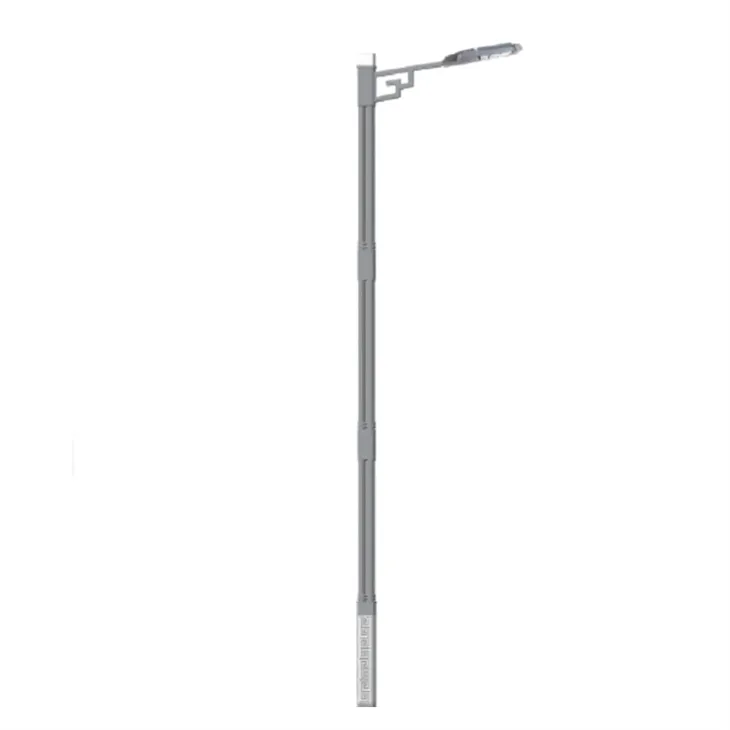

When choosing LED street lights for your lighting project, it is important to look for products that have a high power factor. This information is usually provided in the product specifications or datasheet. You can also ask the supplier to provide you with the power factor test reports or certifications to ensure that the LED street lights meet the required standards.
Benefits of High Power Factor LED Street Lights
Investing in high power factor LED street lights offers several benefits for both suppliers and consumers. Here are some of the key advantages:
- Energy Efficiency: High power factor LED street lights use electrical power more efficiently, resulting in lower energy consumption and reduced utility bills. This can lead to significant cost savings over the lifespan of the lighting system.
- Cost Savings: By reducing energy consumption, high power factor LED street lights can help to lower your electricity bills. In addition, they may also qualify for energy efficiency rebates or incentives, further reducing the overall cost of the lighting project.
- Improved Performance: A high power factor helps to stabilize the voltage and current in the circuit, reducing the risk of electrical interference and equipment damage. This can extend the lifespan of the LED street lights and reduce maintenance costs.
- Compliance with Regulations: Many utility companies and regulatory bodies have specific requirements for the power factor of electrical equipment. By using high power factor LED street lights, you can ensure compliance with these regulations and avoid any penalties or surcharges.
- Environmental Sustainability: High power factor LED street lights are more energy-efficient, which means they produce less greenhouse gas emissions compared to traditional lighting technologies. This makes them a more environmentally friendly option for street lighting.
Our LED Street Light Products
As a leading supplier of LED street lights, we offer a wide range of high-quality products with excellent power factor. Our Led Street Light 250 Watt is designed to provide bright and efficient lighting for streets, highways, and other outdoor areas. With a power factor of 0.95 or higher, this LED street light ensures maximum energy efficiency and cost savings.
In addition to our 250-watt LED street light, we also offer a 300w Street Light and a 120 Watt Street Light. These products are available in different wattages and beam angles to meet your specific lighting requirements. All of our LED street lights are made with high-quality components and are designed to provide reliable and long-lasting performance.
Conclusion
In conclusion, the power factor of LED street lights is an important consideration when choosing lighting solutions for your project. A high power factor ensures maximum energy efficiency, cost savings, and overall performance. By investing in high-quality LED street lights with a power factor of 0.9 or higher, you can reduce your energy consumption, lower your utility bills, and contribute to a more sustainable future.
If you are interested in purchasing LED street lights for your lighting project, please do not hesitate to contact us. Our team of experts is available to provide you with more information about our products, answer your questions, and assist you with the procurement process. We look forward to working with you to provide the best lighting solutions for your needs.
References
- "Power Factor Basics." Electrical Engineering Portal.
- "LED Lighting: Power Factor and Energy Efficiency." Energy Star.
- "Understanding Power Factor in LED Lighting." Lighting Research Center.


