Solar lights have become increasingly popular due to their energy - efficiency, environmental friendliness, and ease of installation. As a solar lighting supplier, I've had the opportunity to work with a diverse range of customers, from homeowners seeking to illuminate their gardens to municipalities looking to light up streets. One question that often arises is whether solar lights are affected by electromagnetic interference (EMI).
Understanding Electromagnetic Interference
Before delving into the impact of EMI on solar lights, it's crucial to understand what electromagnetic interference is. EMI refers to the disturbance that affects an electrical circuit due to electromagnetic radiation emitted from an external source. This interference can disrupt the normal operation of electronic devices, causing malfunctions or reduced performance.
Electromagnetic interference can originate from various sources. Natural sources include solar flares and lightning strikes, which generate powerful electromagnetic pulses. On the other hand, man - made sources are more common in our daily lives. These can range from household appliances like microwave ovens and televisions to industrial equipment such as radio transmitters, power lines, and electric motors.
How Solar Lights Work
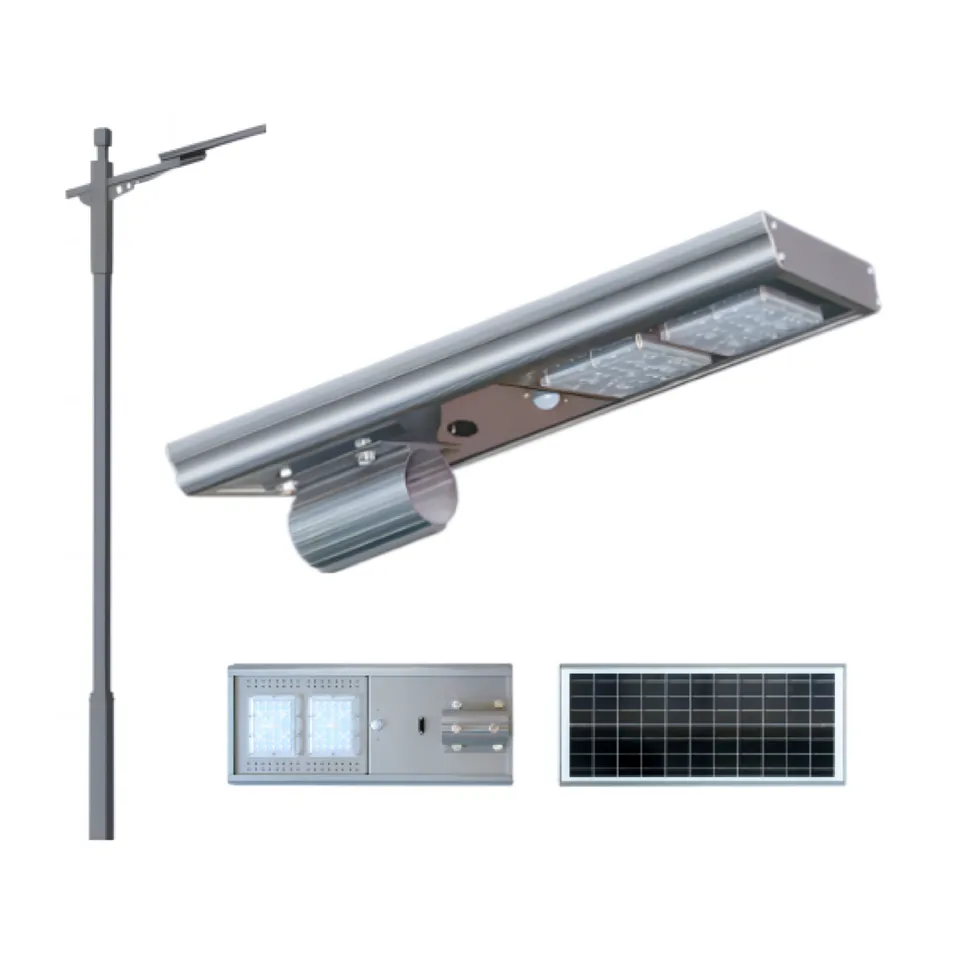
To understand how EMI might affect solar lights, we first need to grasp the basic working principle of these devices. Solar lights typically consist of three main components: a solar panel, a rechargeable battery, and an LED light source.
The solar panel is responsible for converting sunlight into electrical energy through the photovoltaic effect. During the day, when sunlight hits the solar panel, it generates direct current (DC) electricity. This electricity is then used to charge the rechargeable battery. At night, the battery powers the LED light, providing illumination.
In addition to these components, many solar lights also have a charge controller and a light sensor. The charge controller regulates the charging process to prevent over - charging or over - discharging of the battery, which can extend the battery's lifespan. The light sensor detects the ambient light level and automatically turns the light on when it gets dark and off when there is sufficient daylight.

Potential Impact of Electromagnetic Interference on Solar Lights
Effect on Solar Panels
Solar panels are generally less susceptible to electromagnetic interference because they operate based on the physical process of converting light energy into electrical energy. However, in extreme cases, strong electromagnetic fields can potentially affect the semiconductor materials within the solar panel. For example, a powerful electromagnetic pulse from a lightning strike or a large - scale industrial emitter could cause temporary or permanent damage to the solar panel's cells, reducing its efficiency in converting sunlight into electricity.
Impact on Rechargeable Batteries
The rechargeable batteries in solar lights are also at risk of being affected by EMI. The charge controller, which manages the charging and discharging of the battery, is an electronic device that can be disrupted by electromagnetic interference. If the charge controller malfunctions due to EMI, it may lead to over - charging or under - charging of the battery. Over - charging can cause the battery to overheat, reduce its capacity, and shorten its lifespan. Under - charging, on the other hand, means the battery will not be fully charged, resulting in reduced lighting time at night.
Influence on LED Lights and Sensors
The LED light source in solar lights is an electronic component that can be affected by EMI. Interference can cause the LED to flicker or even turn off unexpectedly. Additionally, the light sensor, which is responsible for controlling the on/off state of the light, is highly sensitive to electromagnetic disturbances. EMI can make the sensor misinterpret the ambient light level, causing the solar light to turn on during the day or remain off at night.
Real - world Examples and Mitigation Strategies
In real - world scenarios, there have been cases where solar lights installed near high - power radio transmitters or large industrial facilities have experienced performance issues. For instance, a customer who installed Solar Street Light 6000 Lumens near a radio tower reported that the lights would flicker intermittently. After further investigation, it was found that the electromagnetic radiation from the radio tower was interfering with the light's electronic components.
To mitigate the effects of electromagnetic interference on solar lights, several strategies can be employed. First, proper shielding can be used to protect the sensitive electronic components. This can involve using metal enclosures or conductive coatings to block the electromagnetic waves. Second, the placement of solar lights should be carefully considered. Avoid installing them near known sources of EMI, such as high - power electrical equipment or radio transmitters.
Our Product Line and Resistance to EMI
As a solar lighting supplier, we are well - aware of the potential challenges posed by electromagnetic interference. That's why we have designed our products, such as the 60 Watt Solar Street Light 6000 Lumens and 500 Watt Solar Street Light, with EMI resistance in mind. Our engineers use advanced shielding techniques and high - quality electronic components to minimize the impact of electromagnetic interference.
In our testing facilities, we subject our solar lights to various electromagnetic environments to ensure their reliability. We have found that our products can maintain stable performance even in the presence of moderate levels of EMI. However, in extremely harsh electromagnetic environments, additional precautions may still be necessary.
Conclusion and Call to Action
In conclusion, while solar lights can be affected by electromagnetic interference, the impact can be minimized through proper design, installation, and shielding. As a solar lighting supplier, we are committed to providing high - quality products that are resistant to EMI and other environmental factors.
If you are in the market for solar lights for your home, business, or public project, we invite you to explore our product line. Our team of experts is ready to assist you in selecting the most suitable solar lights for your specific needs. Whether you need a small garden light or a large - scale street lighting solution, we have the products and expertise to meet your requirements. Contact us today to start a procurement discussion and take advantage of our energy - efficient and reliable solar lighting products.
References
- "Electromagnetic Compatibility Engineering" by Henry W. Ott.
- "Photovoltaic Systems Engineering" by J. A. Duffie and W. A. Beckman.
- Industry reports on solar lighting technology and electromagnetic interference.