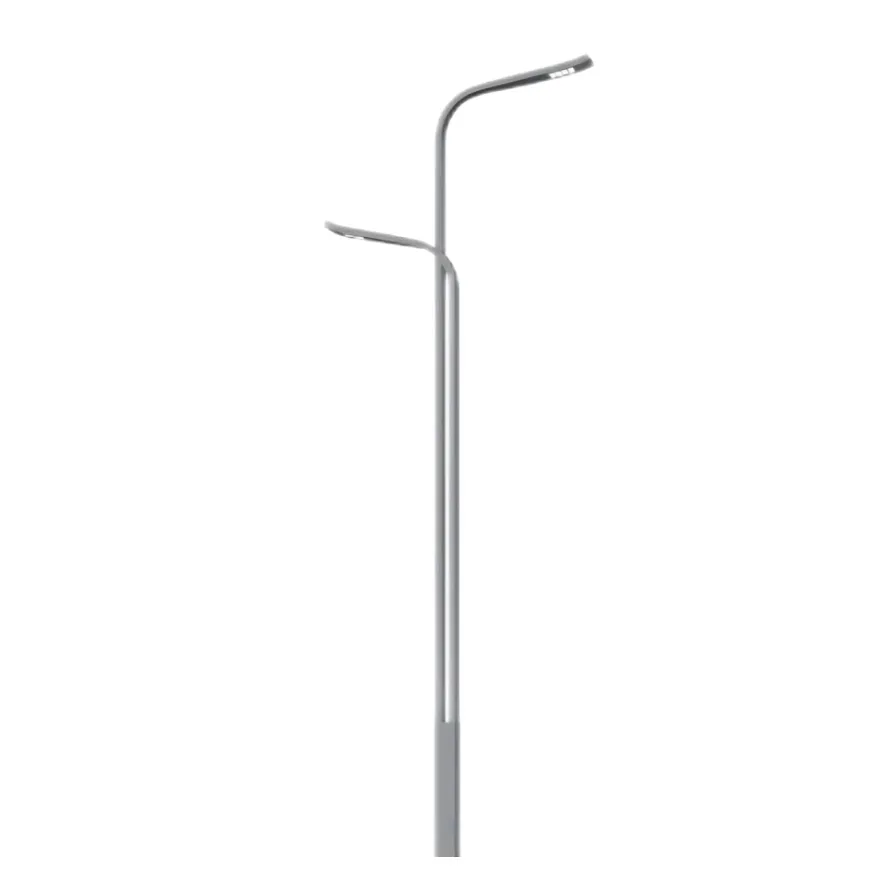
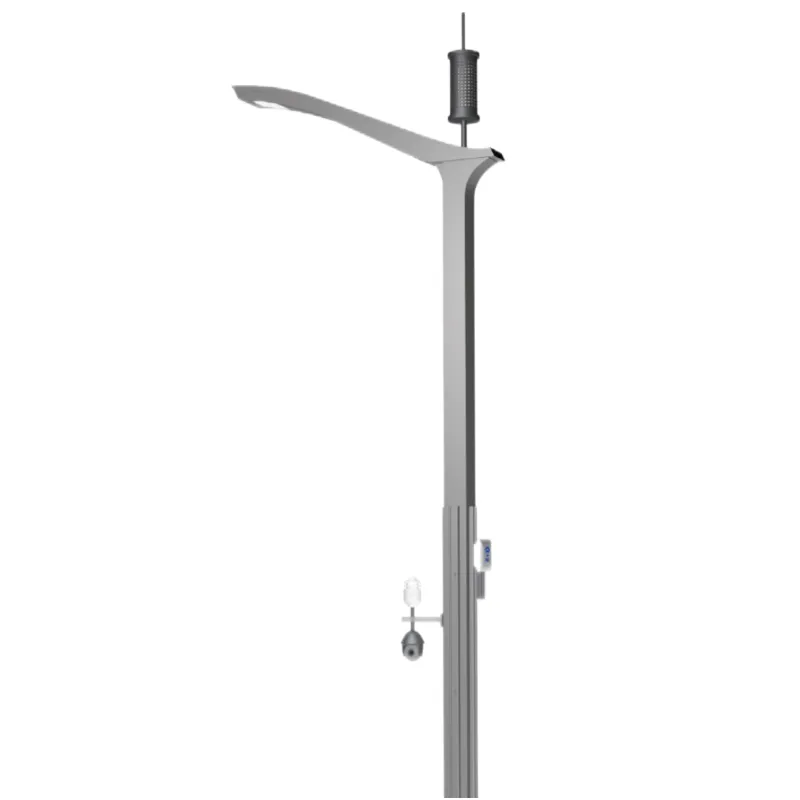
As a supplier of small street lights, one of the most frequently asked questions I encounter is about the power consumption of these lights. Understanding the power consumption of small street lights is crucial for various stakeholders, including city planners, property owners, and environmental enthusiasts. In this blog post, I'll delve into the factors that influence the power consumption of small street lights, compare different types of lights, and provide some practical tips on reducing energy usage.
Factors Affecting Power Consumption
The power consumption of small street lights can vary significantly depending on several factors. The first and most obvious factor is the wattage of the light. Higher-wattage lights generally consume more power than lower-wattage ones. For example, a 400 Watt Street Light will use more electricity than a 100-watt light. However, it's important to note that higher-wattage lights also tend to provide more illumination, so the choice of wattage depends on the specific lighting requirements of the area.
Another important factor is the type of light source. Traditional incandescent bulbs are known for their high energy consumption. They convert a large portion of the electrical energy into heat rather than light, making them inefficient. In contrast, LED (Light Emitting Diode) lights are much more energy-efficient. They can produce the same amount of light as incandescent bulbs while using significantly less power. For instance, an LED light can use up to 80% less energy than an incandescent bulb to produce the same level of brightness.
The duration of use also plays a significant role in power consumption. Street lights that are left on for longer periods will naturally consume more electricity. This is where smart lighting systems come in handy. These systems can be programmed to turn on and off at specific times or to adjust the brightness based on the ambient light conditions. By using smart lighting, it's possible to reduce the overall power consumption of street lights without sacrificing safety or visibility.
Comparing Different Types of Small Street Lights
Let's take a closer look at some of the common types of small street lights and their power consumption.
LED Street Lights
LED street lights have become the preferred choice for many municipalities and property owners due to their energy efficiency and long lifespan. A typical small LED street light with a wattage of around 30 - 50 watts can provide sufficient illumination for a small street or pathway. These lights can operate for up to 50,000 hours or more, which means less frequent replacement and lower maintenance costs.
The power consumption of LED street lights can be further optimized by using advanced technologies such as dimming and motion sensors. Dimming allows the light to adjust its brightness based on the time of day or the presence of traffic. Motion sensors can detect movement and increase the brightness when needed, reducing energy waste during periods of low activity.
Solar LED Lights
Solar LED lights are an excellent option for areas where access to electricity is limited or where there is a desire to reduce the carbon footprint. Solar Led Light 100w and other solar-powered street lights use photovoltaic panels to convert sunlight into electricity, which is then stored in a battery for use at night.
The power consumption of solar LED lights depends on the size of the solar panel, the capacity of the battery, and the wattage of the LED light. A well-designed solar LED light system can provide reliable lighting throughout the night without consuming any grid electricity. However, it's important to ensure that the solar panels are installed in a location that receives sufficient sunlight during the day to charge the battery effectively.
Compact Fluorescent Lights (CFLs)
Compact fluorescent lights were once a popular alternative to incandescent bulbs due to their lower energy consumption. However, they have been largely replaced by LED lights in recent years. CFLs use about 75% less energy than incandescent bulbs and can last up to 10 times longer.
The power consumption of CFLs typically ranges from 11 - 23 watts for small street light applications. While they are more energy-efficient than incandescent bulbs, they still have some drawbacks. CFLs contain a small amount of mercury, which can be harmful to the environment if not disposed of properly. Additionally, they take a few seconds to reach full brightness, which may not be ideal for some applications.
Practical Tips for Reducing Power Consumption
If you're looking to reduce the power consumption of your small street lights, here are some practical tips:


- Choose Energy-Efficient Lights: As mentioned earlier, LED lights are the most energy-efficient option available. When selecting street lights, look for products with a high energy efficiency rating.
- Install Smart Lighting Systems: Smart lighting systems can help you save energy by automatically adjusting the brightness of the lights based on the time of day or the presence of traffic.
- Optimize Lighting Placement: Proper lighting placement can ensure that the light is directed where it's needed most, reducing the need for higher-wattage lights.
- Maintain Your Lights Regularly: Regular maintenance, such as cleaning the light fixtures and replacing faulty bulbs, can help ensure that your street lights are operating at peak efficiency.
Conclusion
In conclusion, the power consumption of small street lights depends on several factors, including the wattage, the type of light source, and the duration of use. By choosing energy-efficient lights, such as LED lights, and implementing smart lighting systems, it's possible to significantly reduce the energy consumption of street lights without sacrificing safety or visibility.
As a supplier of small street lights, I'm committed to providing high-quality, energy-efficient lighting solutions to my customers. If you're interested in learning more about our products or have any questions about power consumption, please don't hesitate to contact me. I'd be happy to discuss your specific needs and help you find the best lighting solution for your project.
References
- "LED Lighting Handbook" by the U.S. Department of Energy
- "Solar Photovoltaic Systems: Design and Installation" by Tom Markvart and Loredana Castaner
- "Energy Efficiency in Lighting" by John C. Bullough and Mark S. Rea