As a dedicated supplier of small street lights, I often get asked about the maximum wind resistance of our products. This is a crucial aspect, especially considering the diverse environmental conditions these lights are exposed to. In this blog, I'll delve into the factors that determine the wind resistance of small street lights and share the measures we take to ensure our products can withstand strong winds.
Understanding Wind Resistance in Small Street Lights
Wind resistance, in the context of small street lights, refers to the ability of these fixtures to remain stable and functional under the influence of wind forces. Several factors contribute to a street light's wind resistance:
1. Structural Design
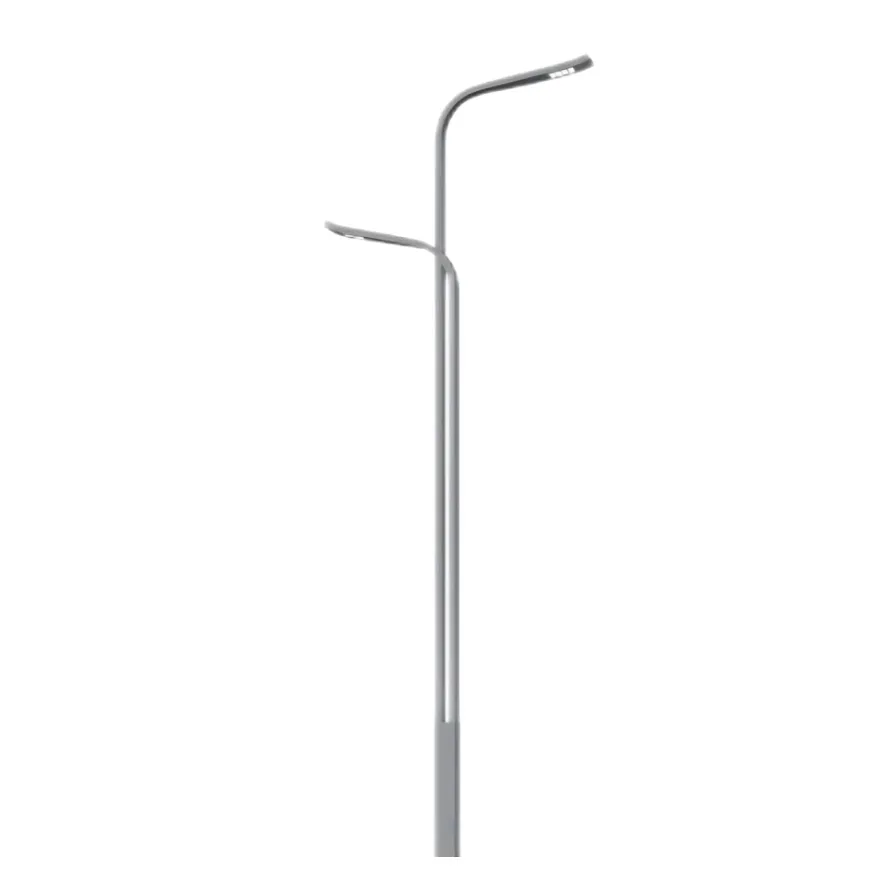
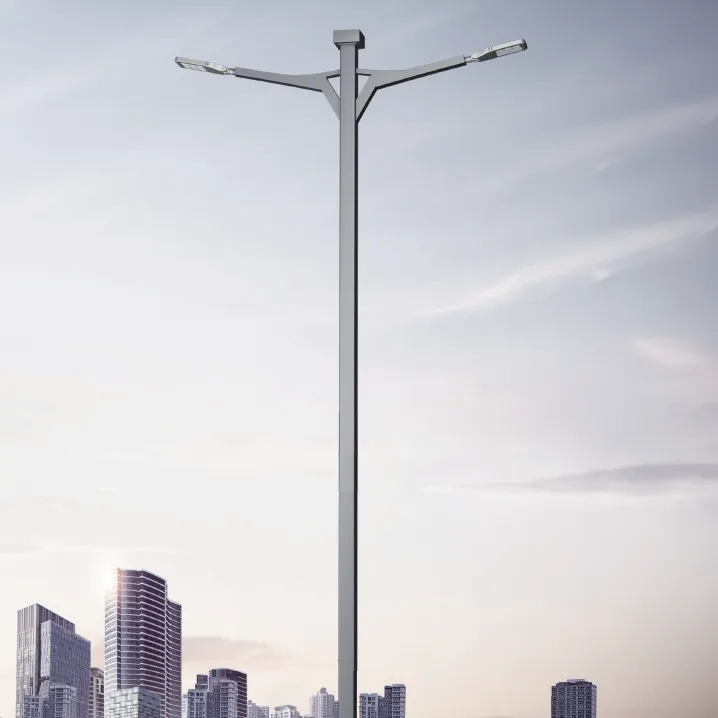
The design of the street light plays a pivotal role in its wind resistance. A well - designed small street light should have a streamlined shape that minimizes the surface area exposed to the wind. For example, our Road Smart Solar Street Light is engineered with a sleek and aerodynamic design. This reduces the drag force exerted by the wind, allowing the light to better withstand high - speed winds. Additionally, the base of the street light is designed to provide a stable foundation. A wider and heavier base helps to keep the light upright, even when strong gusts of wind are pushing against it.

2. Material Quality
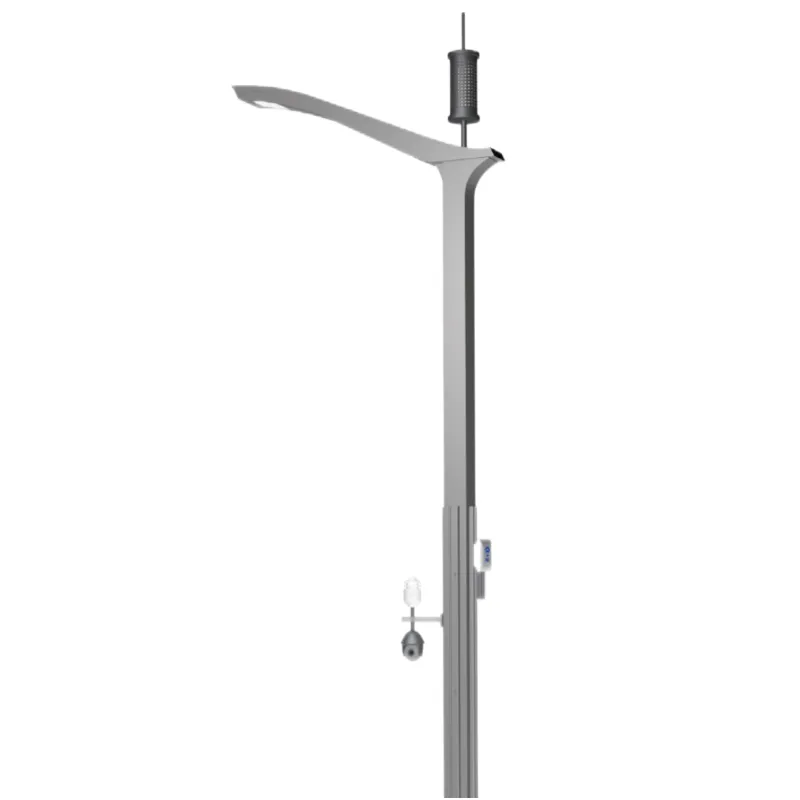
The materials used in the construction of small street lights are equally important. High - strength materials can better resist deformation and damage caused by wind. We use corrosion - resistant aluminum alloys and high - grade steel in our Led Lights Road. These materials not only provide the necessary strength but also ensure the longevity of the street lights. Aluminum alloys are lightweight yet strong, which is beneficial as it reduces the overall weight of the light while maintaining its structural integrity. Steel components, on the other hand, offer excellent rigidity, especially in the base and support structures.
3. Installation and Mounting
Proper installation and mounting are essential for maximizing wind resistance. Our installation teams are trained to ensure that the street lights are firmly fixed to the ground or mounting surface. The use of appropriate fasteners and anchors is crucial. For example, when installing our Solar Led Light 100w, we use heavy - duty bolts and concrete footings to secure the base. This prevents the light from being uprooted or toppled by strong winds. Moreover, the angle of installation is carefully considered. A vertical and level installation ensures that the wind forces are evenly distributed across the structure.
Determining the Maximum Wind Resistance
The maximum wind resistance of small street lights is typically determined through a combination of theoretical calculations and practical testing.
Theoretical Calculations
Engineers use mathematical models to calculate the wind forces acting on the street lights. These models take into account factors such as the shape of the light, its height, and the surface area exposed to the wind. Based on these calculations, the structural strength required to withstand a certain wind speed can be determined. For example, if a street light is located in an area with frequent strong winds, the design will be adjusted to meet the higher wind load requirements.
Practical Testing
In addition to theoretical calculations, we conduct extensive practical testing on our small street lights. Our testing facilities simulate different wind conditions, from gentle breezes to hurricane - force winds. During these tests, we monitor the performance of the street lights, looking for any signs of damage or instability. If a light fails to meet the required wind resistance standards during testing, we go back to the drawing board and make necessary design or material changes.
Industry Standards for Wind Resistance
The lighting industry has established certain standards for the wind resistance of street lights. These standards vary depending on the location and the intended use of the lights. For example, street lights installed in coastal areas, where they are more likely to be exposed to strong winds and hurricanes, need to meet higher wind resistance standards compared to those installed in inland areas.
In general, small street lights should be able to withstand wind speeds of at least 100 - 120 km/h (62 - 75 mph) without significant damage. However, in high - risk areas, the required wind resistance can be much higher, up to 200 km/h (124 mph) or more.
Our Commitment to High - Quality Wind - Resistant Street Lights
As a supplier of small street lights, we are committed to providing our customers with products that meet or exceed industry standards for wind resistance. We invest heavily in research and development to continuously improve the design and performance of our street lights. Our quality control team conducts thorough inspections at every stage of the production process to ensure that each light is built to last.
We understand that the reliability of our street lights is crucial for our customers. Whether it's a small residential street or a major commercial thoroughfare, our lights need to be able to withstand the elements. That's why we offer a range of small street lights with different wind resistance capabilities to suit various applications.
Contact Us for Your Street Light Needs
If you're in the market for high - quality small street lights with excellent wind resistance, look no further. Our team of experts is ready to assist you in choosing the right street lights for your project. We can provide detailed information about the wind resistance of our products and offer professional advice on installation and maintenance.
Whether you need a few lights for a small project or a large quantity for a major infrastructure development, we have the capacity to meet your requirements. Contact us today to start the conversation about your street light needs and let us help you illuminate your streets safely and efficiently.
References
- ASCE 7 - 16, Minimum Design Loads and Associated Criteria for Buildings and Other Structures.
- IEC 62560, LED modules for general lighting - Safety requirements.
- National Electrical Manufacturers Association (NEMA) standards for outdoor lighting.