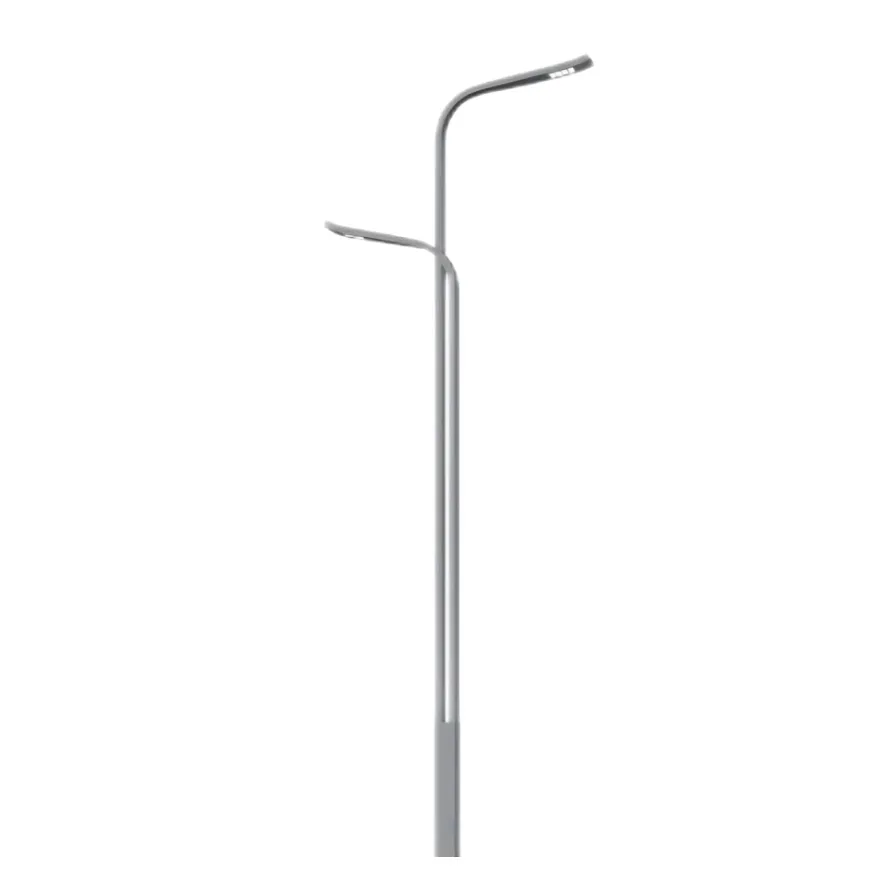
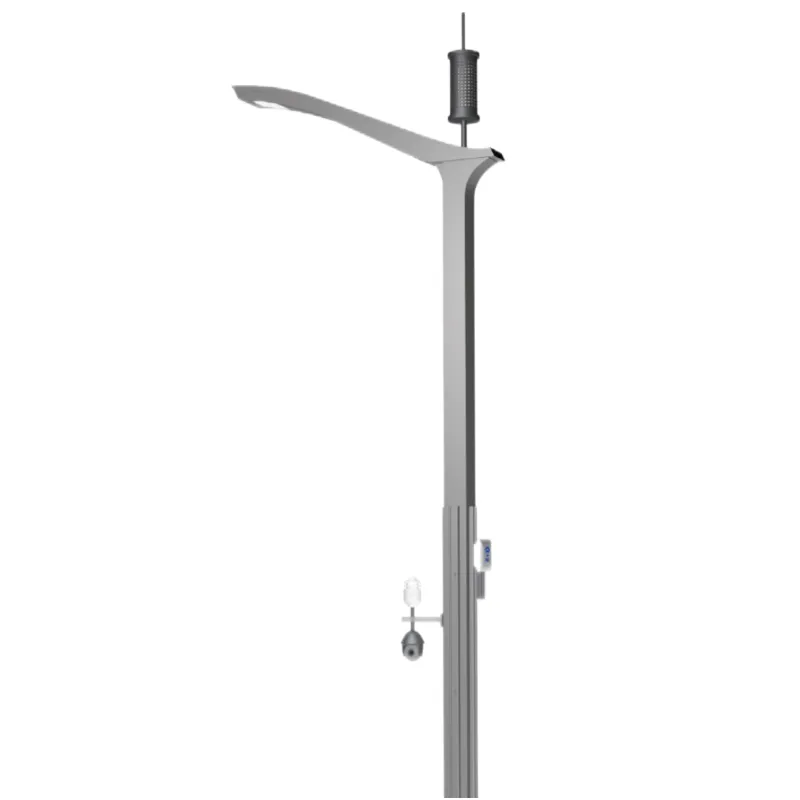
As a supplier of Solar Integrated Lamps, I often get asked about the radiation levels of these innovative lighting solutions. In this blog post, I'll delve into the details of what the radiation level of a Solar Integrated Lamp is, how it's measured, and why it matters.
Understanding Radiation in Solar Integrated Lamps
To begin with, it's important to understand what we mean by "radiation" in the context of Solar Integrated Lamps. When we talk about radiation from these lamps, we're primarily referring to electromagnetic radiation, which includes visible light, ultraviolet (UV) light, and infrared (IR) light. These types of radiation are emitted by the lamp's light source as it produces illumination.
Solar Integrated Lamps typically use light - emitting diodes (LEDs) as their light source. LEDs are known for their energy - efficiency and long lifespan. Unlike traditional incandescent or fluorescent bulbs, LEDs emit very little heat and a relatively narrow spectrum of light.
Visible Light Radiation
The main purpose of a Solar Integrated Lamp is to provide visible light for illumination. Visible light has a wavelength range of approximately 380 to 700 nanometers (nm). The radiation level of visible light from a Solar Integrated Lamp is measured in terms of luminous flux, which is expressed in lumens (lm). The luminous flux indicates the total amount of visible light emitted by the lamp.
For example, our 600 Watt Solar Street Light is designed to provide a high level of luminous flux, ensuring bright and efficient illumination for streets, parking lots, and other outdoor areas. The amount of visible light radiation is carefully calibrated to meet the specific lighting requirements of different applications.
Ultraviolet (UV) Radiation
UV radiation has a shorter wavelength than visible light, ranging from about 10 to 380 nm. UV radiation can be harmful to human skin and eyes in large doses. However, LEDs used in Solar Integrated Lamps emit very low levels of UV radiation.
Most modern LEDs are designed to minimize UV emissions. This is because excessive UV radiation can cause skin aging, sunburn, and even increase the risk of skin cancer. In our Powerful Solar Street Lights, we take great care to ensure that the UV radiation levels are well within the safe limits set by international standards.
Infrared (IR) Radiation
Infrared radiation has a longer wavelength than visible light, ranging from about 700 nm to 1 millimeter. IR radiation is often associated with heat. Incandescent bulbs emit a significant amount of IR radiation, which is why they get very hot. In contrast, LEDs emit very little IR radiation.
This is an advantage for Solar Integrated Lamps because less IR radiation means less heat generation. Less heat helps to improve the efficiency of the lamp and also extends the lifespan of the components. Our Solar Street Light 600w is designed to operate with minimal heat production, thanks to the low IR radiation from its LED light source.
Measuring Radiation Levels
The radiation levels of Solar Integrated Lamps are measured using specialized equipment. For visible light, a photometer is used to measure the luminous flux in lumens. The photometer is calibrated to respond to the human eye's sensitivity to different wavelengths of light.
To measure UV and IR radiation, spectrometers are used. A spectrometer can analyze the spectrum of light emitted by the lamp and determine the amount of UV and IR radiation present. These measurements are important to ensure that the lamp meets the safety and performance standards.
Why Radiation Levels Matter
The radiation levels of Solar Integrated Lamps matter for several reasons. First and foremost, they are related to the safety of the users. Low levels of UV and IR radiation ensure that the lamps are safe for long - term use, both for humans and the environment.
Secondly, the level of visible light radiation affects the quality of illumination. A lamp with the right amount of luminous flux will provide sufficient light for the intended application, whether it's lighting up a small garden or a large industrial area.
Finally, understanding the radiation levels helps in the design and optimization of Solar Integrated Lamps. By controlling the radiation levels, we can improve the energy efficiency of the lamps, reduce heat generation, and enhance the overall performance.
Factors Affecting Radiation Levels
Several factors can affect the radiation levels of Solar Integrated Lamps. One of the main factors is the type and quality of the LED used. High - quality LEDs are more likely to emit consistent and low - radiation light.


The design of the lamp also plays a role. The optical system of the lamp, including the lens and reflector, can affect how the light is distributed and the amount of radiation that reaches the surrounding area.
Environmental conditions can also have an impact. For example, high temperatures can cause the LED to degrade over time, which may affect the radiation levels. However, our Solar Integrated Lamps are designed to be robust and reliable, even in harsh environmental conditions.
Comparing with Traditional Lighting Sources
When compared to traditional lighting sources such as incandescent and fluorescent bulbs, Solar Integrated Lamps offer significant advantages in terms of radiation levels. Incandescent bulbs emit a large amount of IR radiation, which is wasted as heat. They also emit some UV radiation.
Fluorescent bulbs emit UV radiation as part of their operation, which is then converted to visible light by the phosphor coating inside the bulb. However, if the phosphor coating is damaged, the UV radiation can leak out.
In contrast, Solar Integrated Lamps with LED light sources emit very low levels of UV and IR radiation, while providing high - quality visible light. This makes them a safer and more energy - efficient choice for lighting applications.
Conclusion
In conclusion, the radiation level of a Solar Integrated Lamp is a complex but important aspect to consider. The visible light radiation provides the necessary illumination, while the low levels of UV and IR radiation ensure safety and efficiency.
As a supplier of Solar Integrated Lamps, we are committed to providing high - quality products that meet the strictest safety and performance standards. Our 600 Watt Solar Street Light, Powerful Solar Street Lights, and Solar Street Light 600w are designed with the latest technology to provide optimal radiation levels for a variety of applications.
If you are interested in purchasing Solar Integrated Lamps for your project, we encourage you to contact us for a detailed discussion. We can help you select the right product based on your specific lighting requirements and budget. Our team of experts is ready to assist you in making an informed decision.
References
- "LED Lighting Handbook" by John C. Linvill
- International Electrotechnical Commission (IEC) standards on lighting products
- "Lighting Basics" published by the Illuminating Engineering Society (IES)