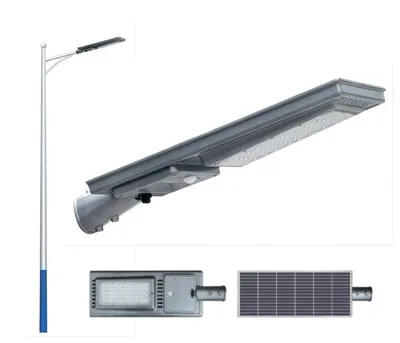
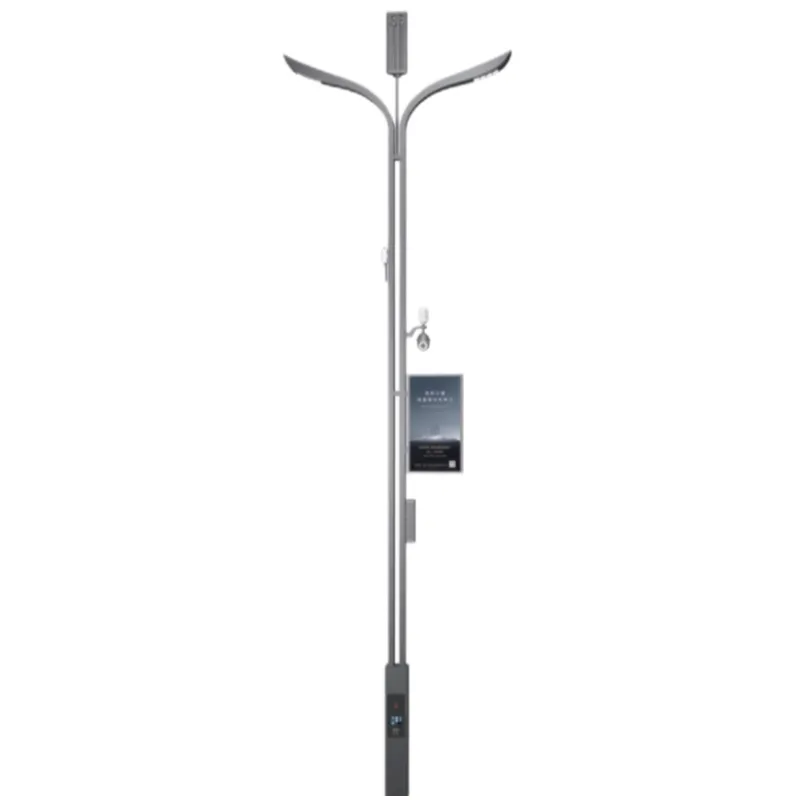
When sourcing solar lighting for roads, parks, pathways, residential areas or commercial projects, choosing the right Solar LED 50W Manufacturers is just as important as selecting the lighting product itself.
A 50W solar LED light may appear simple, but its actual performance depends on several components working together, including the LED module, solar panel, battery, controller, housing and mounting structure. For project buyers, focusing only on price can easily result in insufficient lighting time, unstable performance or increased maintenance costs.
This guide explains the main factors to consider when evaluating solar LED 50W manufacturers for outdoor lighting projects.
1. Check the Manufacturer's Lighting Experience
The first thing buyers should evaluate is the manufacturer's experience in outdoor and solar lighting.
An experienced manufacturer should understand that solar lighting performance is affected by more than LED wattage. Project conditions such as local sunshine hours, installation height, road width and required operating time can all influence the final configuration.
When discussing a project, a professional supplier should be able to ask for basic information such as:
- Project location
- Application area
- Installation height
- Required lighting hours
- Road or site dimensions
- Quantity required
- Local weather conditions
This information helps determine whether a 50W solar LED light is suitable for the actual project.
2. Understand What "50W" Really Means
One common mistake is comparing solar lights only by the stated LED wattage.
A 50W solar LED light is not defined only by the LED module. Its real performance also depends on:
- LED efficiency
- Solar panel capacity
- Battery capacity
- Controller efficiency
- Optical design
- Daily charging conditions
- Lighting mode
Two products both labeled "50W" may perform very differently in actual outdoor use.
Reliable Solar LED 50W Manufacturers should therefore provide clear technical specifications rather than relying only on a wattage label.,
3. Evaluate the Solar Panel Configuration
The solar panel is responsible for converting sunlight into electrical energy.
Its size and conversion efficiency directly affect whether the system can fully charge the battery during the day.
When comparing manufacturers, buyers should check whether the solar panel is properly matched with the lighting power and battery capacity.
For areas with limited sunshine or long nighttime operation, the solar panel configuration may need to be adjusted.
A manufacturer with project experience should be able to recommend suitable configurations based on the installation location rather than supplying the same specification for every market.
4. Pay Attention to Battery Quality
The battery is one of the most important components in a solar lighting system.
It stores the energy generated during the day and powers the LED fixture at night.
Battery selection affects:
- Operating time
- Charging efficiency
- System stability
- Cycle life
- Maintenance requirements
LiFePO4 batteries are widely used in modern solar lighting systems because of their stable performance and suitability for repeated charging and discharging.
When selecting a supplier, buyers should ask about battery specifications, testing procedures and quality control.
5. Check the Controller and Lighting Modes
The controller manages charging, discharging and lighting operation.
A reliable controller helps protect the battery and improve overall system performance.
Depending on project requirements, solar LED lighting systems may support different operating modes, such as:
- Full-power lighting
- Time-controlled lighting
- Reduced-power operation
- Multi-stage lighting
- Automatic dusk-to-dawn operation
Different lighting strategies can help balance illumination requirements and energy consumption.
Professional manufacturers should be able to recommend suitable control settings according to project needs.
6. Consider Outdoor Durability
Solar LED lights are exposed to outdoor environments throughout their service life.
The product should therefore be designed to handle conditions such as:
- Rain
- Dust
- High temperatures
- Low temperatures
- Humidity
- Strong sunlight
- Wind
Buyers should evaluate the housing construction, sealing design, corrosion resistance and overall structural quality.
For road or public-area projects, long-term durability is particularly important because replacing or maintaining installed lighting systems can involve significant labor and project costs.
7. Look at Manufacturing and Testing Capability
A reliable manufacturer should have more than product assembly capability.
Manufacturing quality is influenced by production equipment, process control and testing procedures.
Important production and inspection stages may include:
- Raw material inspection
- LED assembly
- Battery testing
- Controller testing
- Solar panel inspection
- System integration
- Burn-in testing
- Finished product inspection
These processes help reduce inconsistencies between different production batches.
For large projects, stable manufacturing capability is especially important because buyers may need hundreds or thousands of lighting units with consistent specifications.
8. Ask About Customization Capability
Outdoor lighting projects often have different requirements.
A standard 50W solar LED light may not always be suitable for every road, park or commercial area.
Manufacturers may need to adjust:
- Solar panel capacity
- Battery capacity
- Pole height
- Mounting structure
- Lighting time
- Color temperature
- Fixture appearance
- Control program
Customization is particularly useful for municipal projects, residential developments and infrastructure applications.
Choosing a manufacturer with engineering and customization capability can make project implementation much easier.
9. Compare Technical Support, Not Just Price
Price is important, but it should not be the only factor when comparing Solar LED 50W Manufacturers.
A very low quotation may sometimes reflect differences in component quality, battery capacity, solar panel size or testing standards.
For B2B buyers, it is better to compare:
- Complete specifications
- Component configuration
- Manufacturing capability
- Quality inspection
- Warranty
- Technical support
- Customization options
- Export experience
This provides a more accurate basis for comparing suppliers.
10. Check the Manufacturer's Project Experience
Different countries and regions may have very different lighting conditions.
For example, solar resources, temperatures, rainfall and installation standards can vary considerably.
Manufacturers with international project experience are usually more familiar with adapting solar lighting systems to different environments.
Jiangsu Jinchuan Optoelectronic Group Co., Ltd. has been involved in the street lighting industry since 1998 and operates an approximately 11,000-square-meter manufacturing facility in Jiangsu, China.
The company provides lighting products and customized solutions for international customers, with products supplied to more than 50 countries.
Its manufacturing capabilities cover LED lighting, solar lighting components, controller production, battery testing, system integration and finished product inspection.
What Information Should You Provide Before Requesting a Quote?
Before contacting Solar LED 50W Manufacturers, preparing basic project information can help suppliers recommend a more suitable solution.
Useful information includes:
- Project country or city
- Application
- Road width or lighting area
- Pole height
- Required quantity
- Daily lighting hours
- Required brightness
- Installation environment
- Preferred lighting mode
- Any customization requirements
The more complete the project information is, the more accurately the lighting system can be configured.
Conclusion
Choosing the right Solar LED 50W Manufacturers requires more than comparing product prices.
Buyers should carefully evaluate the manufacturer's experience, solar panel and battery configuration, controller system, manufacturing capability, testing process, customization service and technical support.
A properly configured solar LED lighting system can provide reliable outdoor illumination while reducing dependence on grid electricity and simplifying installation in suitable applications.
If you are sourcing 50W solar LED lights for roads, parks, pathways, residential areas or commercial projects, provide your project requirements to the manufacturer before ordering. This will help ensure that the final lighting solution is properly matched to the actual installation conditions.